Compare coatings, chemical treatments, mechanical finishes and post-processing for medical, semiconductor, robotics and aerospace parts. Match the process to your material, drawing and acceptance requirements.
36 Finishes
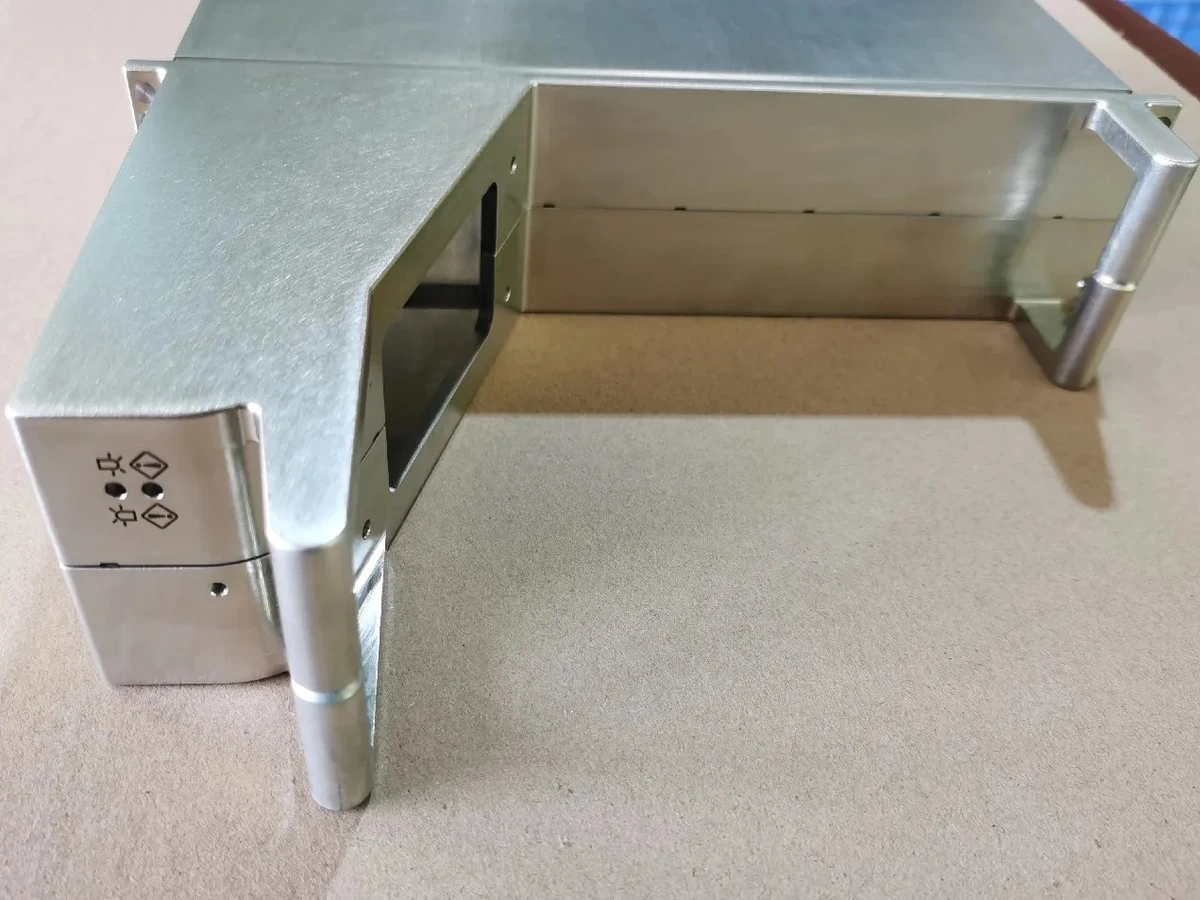
Anodizing (Type II)
Process / Suitable Materials
Coating / Aluminum
Description
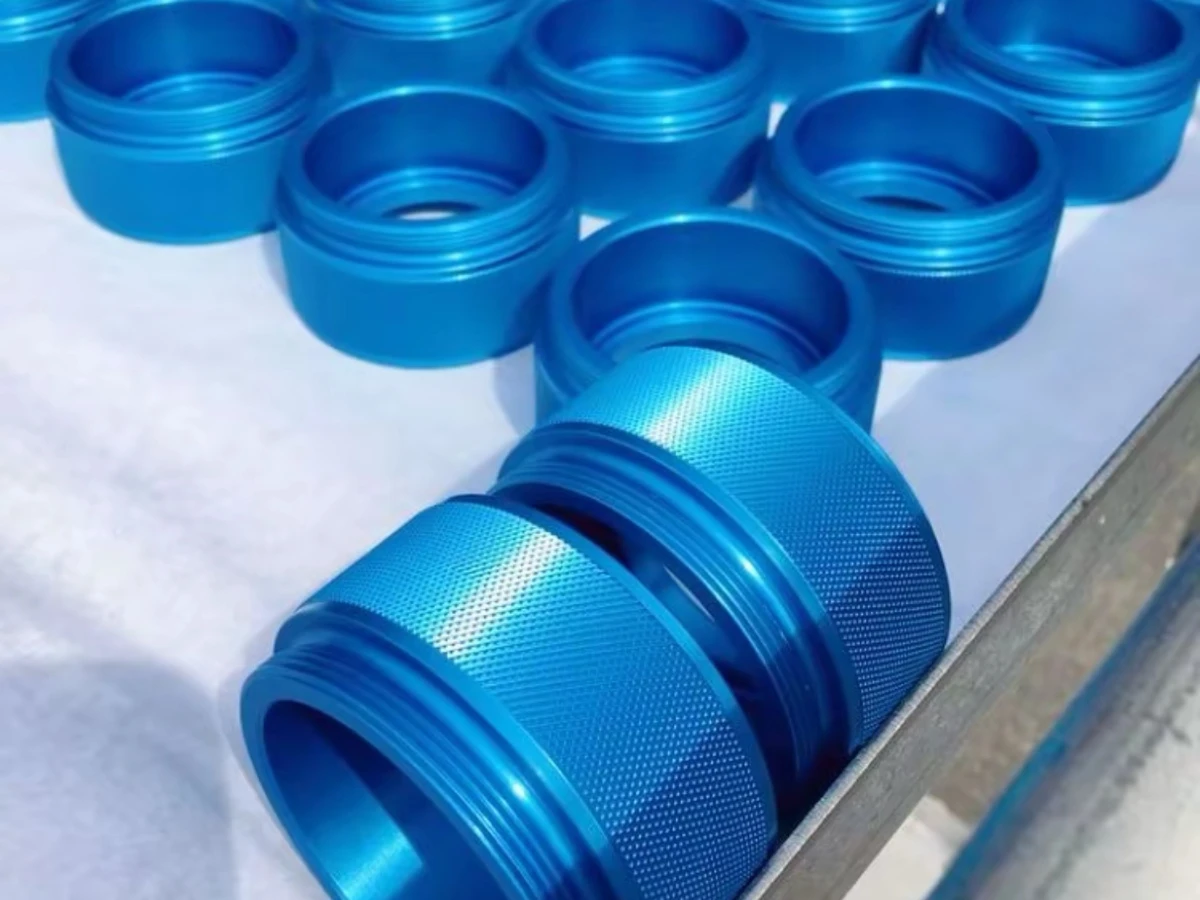
Type II anodizing provides increased corrosion resistance and can be used as a base for paint and other finishes. Clear natural and dyed colors are options within the same process.
Notes
Dyes can be used to change the surface color of the part.
Type II coatings are susceptible to wear. Dyed colors may bleach or fade under prolonged direct sunlight.
Custom colors can be requested using a RAL reference; feasibility and the acceptance sample are agreed before production.
Suitable Materials
Aluminum
Specification
Type II; coating thickness, sealing and masking per drawing
Typical Industries
Semiconductor Equipment / Robotics / Aerospace
Typical Applications
Aluminum housings, equipment frames, brackets and visible components requiring a specified color or protective finish.
Available Colors
Select A Color For Your Inquiry
Use these color references to describe your request. The alloy, surface preparation and dye process affect the final shade; confirm color acceptance with an agreed sample.
Hard Anodizing (Type III)
Process / Suitable Materials
Coating / Aluminum
Description
Hard anodizing builds a protective oxide layer on aluminum where wear resistance is a primary requirement. Coating allowance, edge condition and masking are defined during machining process planning.
Notes
Allow for coating growth on critical fits and mating surfaces.
Specify the required sealing, masking and acceptance criteria.
Natural hardcoat appearance varies with alloy and coating thickness; color requirements are reviewed separately from Type II decorative colors.
Suitable Materials
Aluminum
Specification
Type III; thickness and sealing per drawing
Typical Industries
Semiconductor Equipment / Robotics / Aerospace
Typical Applications
Wear surfaces, handling components and selected aluminum hardware.
Passivation
Process / Suitable Materials
Chemical Treatment / Stainless Steel
Description
A chemical treatment for stainless steel that removes free iron from the surface and supports its natural corrosion resistance.
Notes
Specify the applicable standard and acceptance tests with the RFQ.
Passivation is not a substitute for removing burrs or meeting a roughness requirement.
Suitable Materials
Stainless Steel
Specification
AMS 2700 / ASTM A967
Typical Industries
Medical / Semiconductor Equipment / Aerospace
Typical Applications
316L semiconductor and vacuum parts
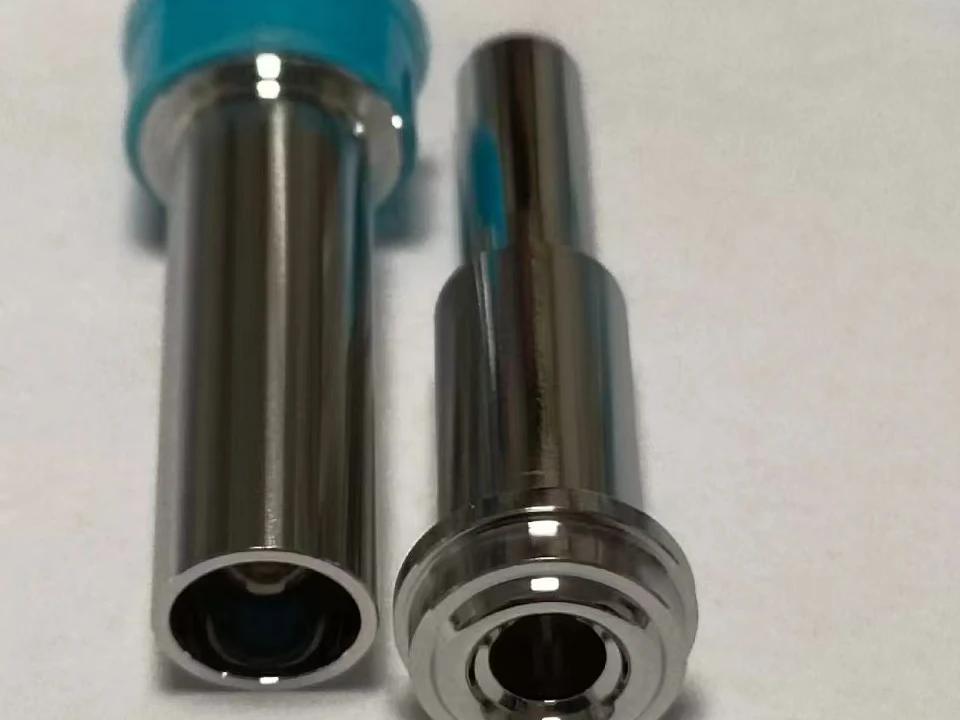
Electropolishing
Process / Suitable Materials
Chemical Treatment / Stainless Steel
Description
Electrochemical removal smooths stainless surfaces and can reduce microscopic burrs and embedded surface contamination when coordinated with a qualified source.
Notes
Specify the surfaces to be treated and the post-process acceptance criteria.
Review material removal, edges and critical dimensions before release.
Suitable Materials
Stainless Steel
Specification
Customer-specified surface and acceptance criteria
Typical Industries
Medical / Semiconductor Equipment
Typical Applications
Gas delivery and wetted stainless components
Electroless Nickel Plating
Process / Suitable Materials
Coating / Aluminum, Steel, Copper Alloys
Description
A chemically deposited nickel coating that provides consistent thickness on complex geometry and improves corrosion and wear resistance.
Notes
Define coating thickness, deposit requirements and masking on the drawing.
Allow for coating build-up on bores, threads and mating diameters.
Suitable Materials
Aluminum / Steel / Copper Alloys
Specification
Deposit composition, thickness, hardness, masking and acceptance per drawing
Typical Industries
Semiconductor Equipment / Aerospace
Typical Applications
Semiconductor chambers and robotic leadscrews
Chemical Conversion Coating
Process / Suitable Materials
Chemical Treatment / Aluminum
Description
A conversion layer on aluminum supports corrosion protection, paint adhesion or specified electrical bonding requirements.
Notes
Specify the required chemistry and conductivity class; conversion coating is distinct from insulating anodize.
Identify bonding areas, paint interfaces and corrosion-test requirements before processing.
Suitable Materials
Aluminum
Specification
Conversion chemistry, class, electrical resistance, masking and acceptance tests per drawing
Typical Industries
Aerospace
Typical Applications
Aerospace brackets and bonding interfaces; semiconductor equipment frames and electronic enclosures.
Titanium Anodizing
Process / Suitable Materials
Coating / Titanium
Description
Controlled titanium oxide growth can provide interference colors for identification; functional anti-galling treatments require a separate specification.
Notes
Titanium color anodizing does not use the same dye process or type definitions as aluminum anodizing.
Agree the titanium grade and sample color. Device-specific cleaning and biological requirements remain part of the supplied specification.
Suitable Materials
Titanium
Specification
Titanium treatment type, color reference, surface preparation and acceptance per drawing
Typical Industries
Medical
Typical Applications
Medical instrument and trial identification; selected titanium aerospace hardware.
Bead Blasting
Process / Suitable Materials
Mechanical Finishing / Metals
Description
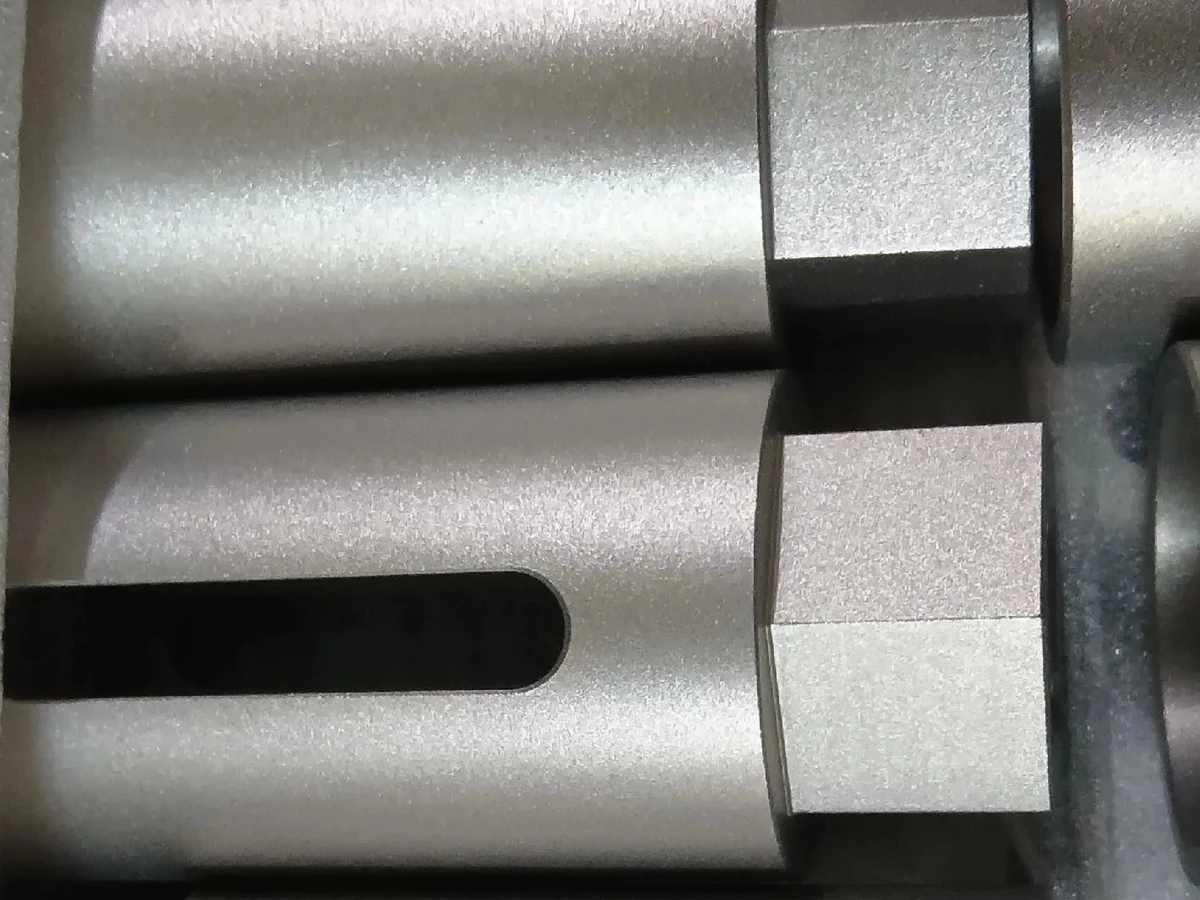
A surface treatment that creates a uniform matte texture by blasting fine abrasive media onto the part surface.
Notes
Agree the media, texture and visual acceptance sample before processing.
Mask threads, precision fits and sealing surfaces when the drawing requires protection.
Suitable Materials
Metals
Specification
Uniform matte texture
Typical Industries
Medical / Semiconductor Equipment
Typical Applications
Aerospace and robotics surfaces
Polishing
Process / Suitable Materials
Mechanical Finishing / Metals
Description
A mechanical finishing process that smooths the surface to reduce roughness and improve sealing, cleanability or appearance.
Notes
Define the target roughness, direction of polish and surfaces that require treatment.
Protect edges, precision fits and datum surfaces from unintended material removal.
Suitable Materials
Metals
Specification
Target roughness, lay direction, material removal and protected surfaces per drawing
Typical Industries
Medical / Semiconductor Equipment
Typical Applications
Semiconductor sealing faces and vacuum bores
Black Oxide
Process / Suitable Materials
Chemical Treatment / Steel
Description
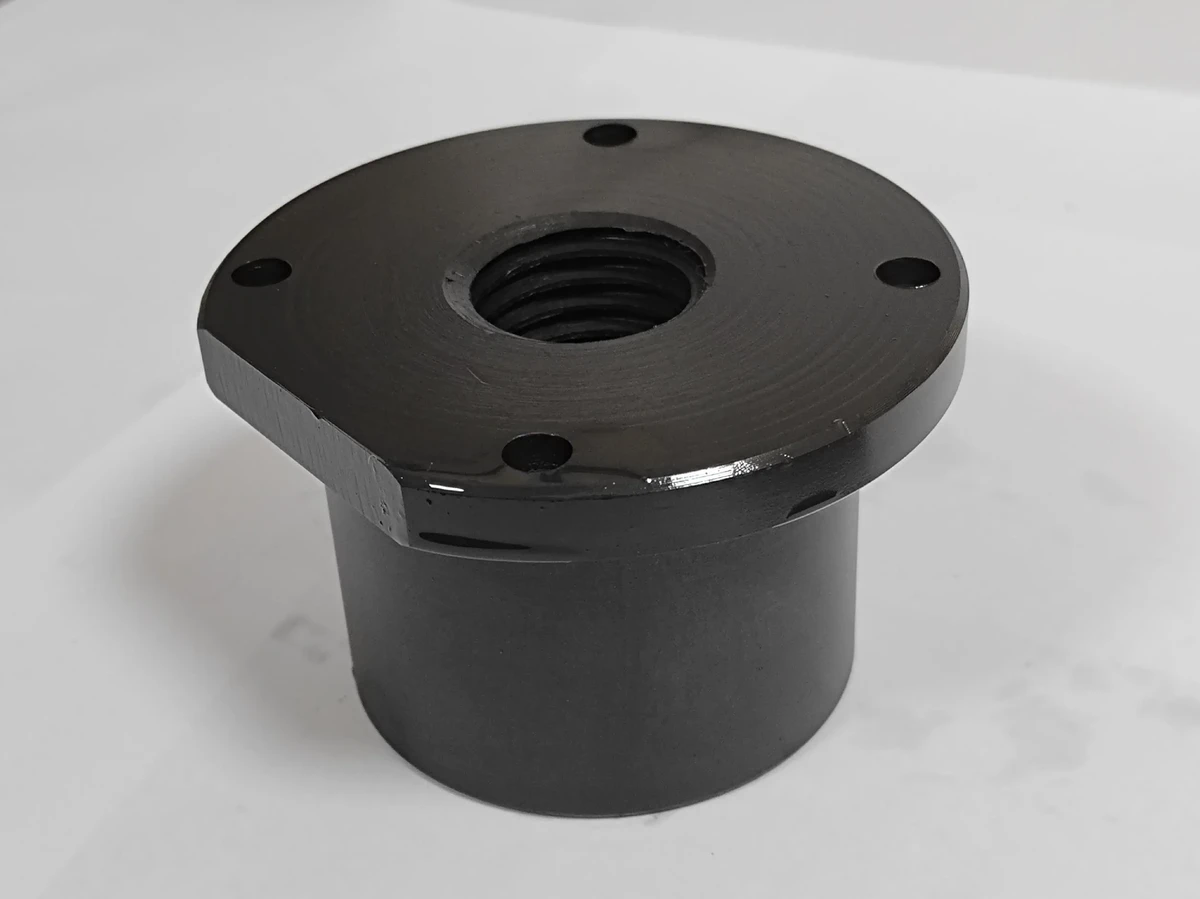
A thin conversion finish for ferrous metals that reduces glare and adds mild corrosion protection with the specified seal or oil.
Notes
Define the required seal or oil together with the conversion treatment.
Review the operating environment before selecting this finish for corrosion protection.
Suitable Materials
Steel
Specification
Drawing-specified military standard
Typical Industries
Robotics
Typical Applications
Steel fasteners, tooling and fixtures
Zinc Plating
Process / Suitable Materials
Coating / Steel
Description
An electroplated zinc layer provides sacrificial corrosion protection for carbon and alloy steel components with controlled coating thickness.
Notes
Specify coating thickness, conversion treatment and appearance requirements.
Include any drawing-required embrittlement relief and verification in the quotation scope.
Suitable Materials
Steel
Specification
Drawing-specified thickness and chromate
Typical Industries
Robotics
Typical Applications
Steel fittings, couplings and industrial hardware
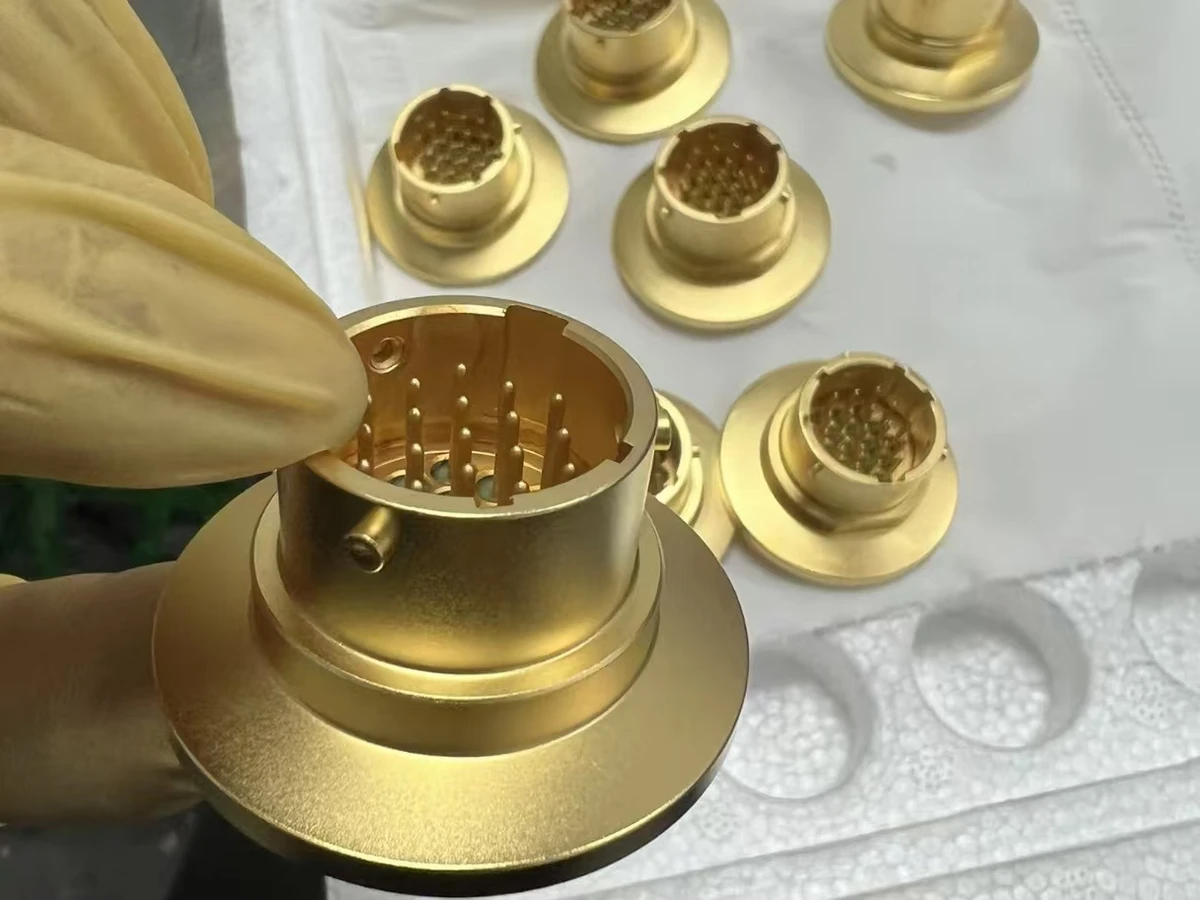
Gold Plating
Process / Suitable Materials
Coating / Copper Alloys, Selected Metals
Description
A corrosion-resistant precious-metal coating that provides stable electrical contact performance and low contact resistance.
Notes
Specify the substrate, underplate, gold thickness and contact requirements.
Agree which surfaces need plating and which must remain uncoated.
Suitable Materials
Copper Alloys / Selected Metals
Specification
Per semiconductor specification
Typical Industries
Semiconductor Equipment
Typical Applications
Precision contacts and semiconductor electrodes
Silver Plating
Process / Suitable Materials
Coating / Copper Alloys, Selected Metals
Description
A highly conductive metallic coating used to improve electrical and thermal transfer on functional component surfaces.
Notes
Define coating thickness, underplate and contact-surface acceptance criteria.
Agree handling and packaging requirements for the finished contact surfaces.
Suitable Materials
Copper Alloys / Selected Metals
Specification
Per semiconductor specification
Typical Industries
Semiconductor Equipment
Typical Applications
High-current contacts and conductive components
Laser Engraving
Process / Suitable Materials
Marking / Metals, Selected Plastics
Description
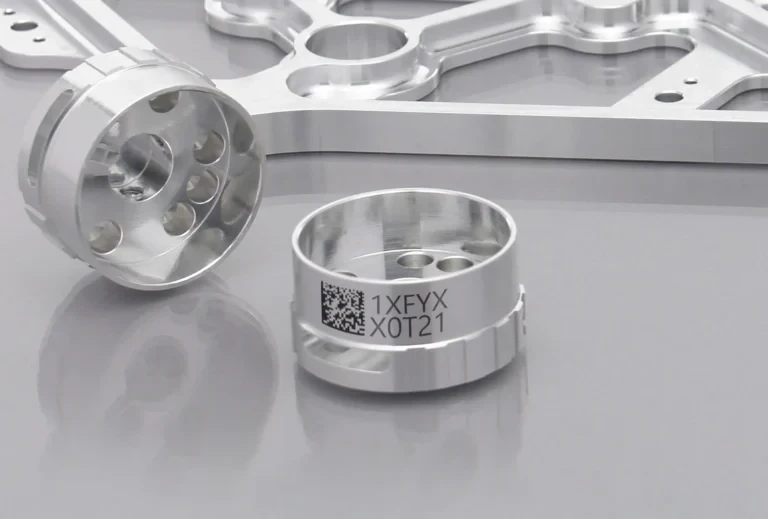
A permanent marking process for part numbers, lot codes and traceability without adding a separate label.
Notes
Provide the marking content, location, size and legibility requirements.
Review marking depth and its position relative to critical surfaces.
Suitable Materials
Metals / Selected Plastics
Specification
Deep or surface marking
Typical Industries
Medical / Robotics
Typical Applications
Traceability and part numbers
Dry Film Lubricant
Process / Suitable Materials
Coating / Steel, Stainless Steel, Titanium, Aluminum With Suitable Pretreatment
Description
A bonded solid-lubricant film controls friction on specified sliding or threaded interfaces without a free-flowing oil layer.
Notes
Review temperature, humidity, vacuum exposure and contact pressure for the selected formulation.
Specify coated areas and finished fit; low friction alone does not establish vacuum or cleanroom suitability.
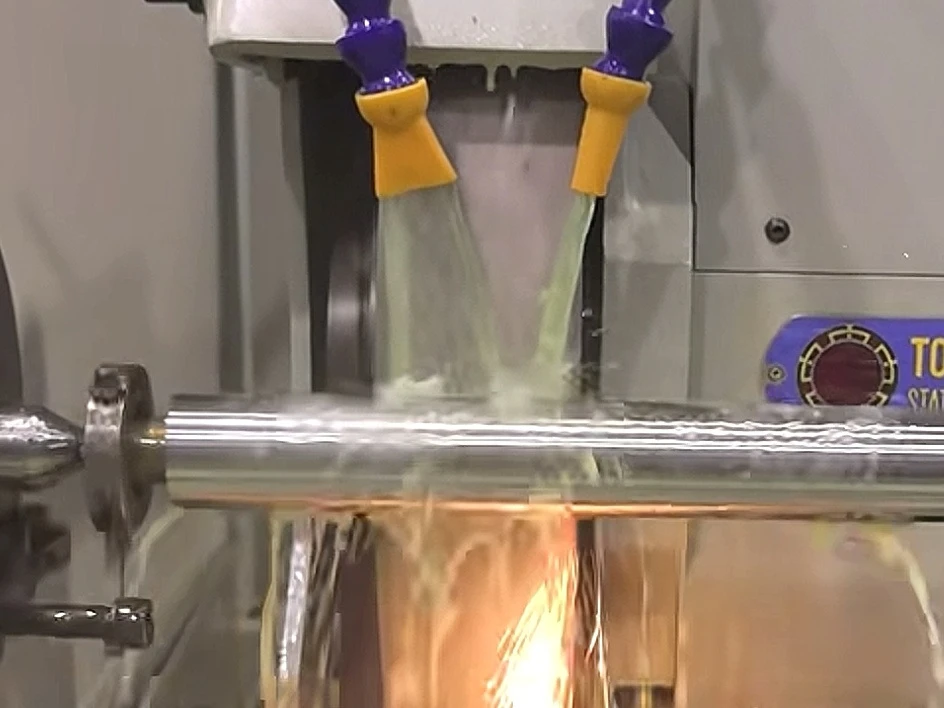
A finish left directly by the cutting process, with controlled tool marks and no additional surface treatment. The process capacity table and drawing define the required roughness.
Notes
Specify the required roughness and the surfaces to be measured on the drawing.
Tool marks remain visible; cosmetic requirements should be agreed before machining.
Suitable Materials
Metals / Engineering Plastics
Specification
Ra Per Machining Route And Drawing
Typical Industries
Robotics
Typical Applications
Robotics journals and bearing seats
Phosphate Coating
Process / Suitable Materials
Chemical Treatment / Steel
Description
A crystalline conversion coating for steel that improves lubricant or paint adhesion and supports wear-in and corrosion protection.
Notes
Specify the coating type and any subsequent lubricant, seal or paint system.
Protect precision surfaces where coating texture or build-up would affect the fit.
Suitable Materials
Steel
Specification
Drawing-specified military standard
Typical Industries
Robotics
Typical Applications
Aerospace fasteners and wear components
Nickel Plating
Process / Suitable Materials
Coating / Steel, Copper Alloys, Aluminum With Suitable Pretreatment
Description
Electrolytic nickel adds a metallic deposit for corrosion protection, appearance or an underlayer for other plating.
Notes
Specify electrolytic nickel separately from electroless nickel; their deposition routes and coverage differ.
Review current distribution, recess coverage and coating growth on bores and threads.
Suitable Materials
Steel / Copper Alloys / Aluminum With Suitable Pretreatment
Specification
Nickel deposit, thickness, underplate, adhesion and masking per drawing
Typical Industries
Robotics
Typical Applications
Robotics hardware, equipment shafts and electrical contact underplates.
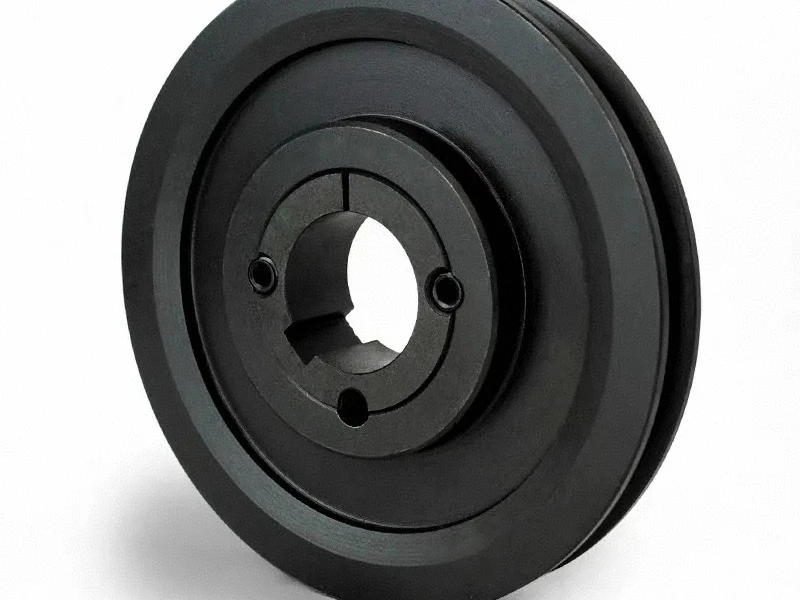
Powder Coating
Process / Suitable Materials
Coating / Aluminum, Steel
Description
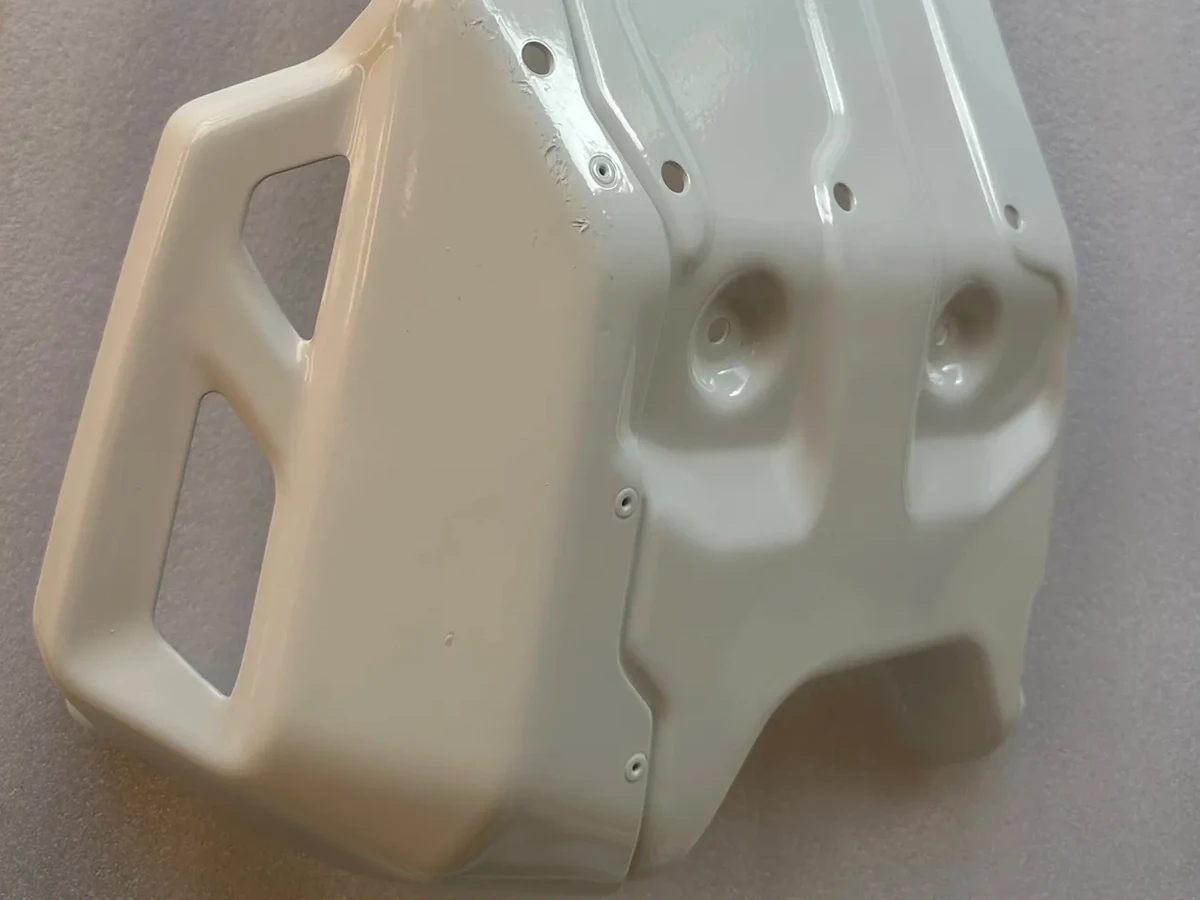
Electrostatically applied powder is cured into a protective colored coating on prepared metal surfaces.
Notes
Mask precision fits, threads, grounding points and specified bare-metal interfaces.
Check cure temperature against material condition and assembly contents; approve cosmetic texture with a sample.
Suitable Materials
Aluminum / Steel
Specification
Coating system, pretreatment, film thickness, color, gloss and cure schedule per drawing
Typical Industries
Robotics
Typical Applications
Robotic equipment covers, support frames and machine enclosures.
Controlled shot impacts introduce near-surface compressive residual stress for drawing-defined fatigue or stress-corrosion requirements.
Notes
Specify peening separately from cosmetic bead blasting and from heat treatment.
Protect precision fits and edges; confirm distortion, surface condition and required processor approval.
Suitable Materials
Steel / Aluminum / Titanium / Nickel Alloys
Specification
Media, intensity, coverage, saturation, masking, sequence and inspection records
Typical Industries
Aerospace
Typical Applications
Fatigue-sensitive aerospace hardware and selected loaded shafts, gears and springs.
No Matching Finishes
Try another process or search term.
Choosing A Finish For Precision Parts
A surface treatment is part of the manufacturing route. Define the functional and cosmetic requirements together so machining, finishing and inspection support the same drawing.
Material Compatibility
Start with the specified alloy or polymer. Confirm the treatment route against the material grade, condition and operating environment.
Thickness & Critical Fits
Identify coating thickness, material removal and surfaces that must be masked. Account for the finish when planning bores, threads and mating diameters.
Color & Surface Texture
Define the requested color, roughness and visual acceptance criteria. Use an agreed sample where appearance is important.
Inspection & Records
Include finish certifications, roughness readings and other required acceptance evidence in the RFQ so verification is planned with the order.
Verification After Surface Finishing
Finishing scope and specialist processor requirements are reviewed with your drawing. Confirm the process route, acceptance tests and required records before production.
01
Confirm The Specification
Agree the finish type, treated surfaces, masking, color and required records against the drawing and purchase order.
02
Check Affected Features
Re-inspect critical fits, sealing surfaces and dimensions affected by added coating or material removal.
03
Verify Surface Requirements
Use the agreed inspection method for roughness, appearance, coating thickness or other specified acceptance criteria.
04
Document The Release
Assemble the requested finish certificates and inspection records, then protect the verified surfaces during packaging.
Surface Finishing FAQs
Can I Request A Custom Anodizing Color?
Yes. Select Custom RAL under Type II anodizing and enter your reference. Color feasibility, the material alloy and an acceptance sample are reviewed before production.
Are Type II And Type III Anodizing Interchangeable?
They serve different requirements. Type II is commonly selected for corrosion protection and decorative color; Type III is selected where wear resistance is important. Specify the required type, thickness, sealing and masking on the drawing.
Should Surface Finish Be Included On My Drawing?
Yes. Identify the process, relevant specification, treated surfaces, thickness or roughness, masking and inspection requirements. These details define the manufacturing and quotation scope.
Can Finishing Affect A Precision Fit?
Added coatings and processes that remove material can change finished dimensions. Review critical fits, threads and sealing surfaces with the machining route before processing.
Are Nickel Plating And Electroless Nickel The Same?
No. Electrolytic nickel uses electrical current, while electroless nickel uses chemical deposition. Specify the route, deposit composition, thickness, treated surfaces and acceptance requirements rather than substituting one for the other.
Is Shot Peening The Same As Bead Blasting?
No. Controlled shot peening specifies media, intensity and coverage to introduce compressive residual stress. Bead blasting is generally specified for texture or surface preparation. Their acceptance requirements differ.
How Are Industry-Specific Finishes Confirmed?
Send the exact process specification, material, treated surfaces and required records. Medical cleaning, semiconductor contamination controls and aerospace processor approvals are reviewed for the individual program before quotation.