
New Part Or Product
A part, material or configuration that has not previously been supplied to the customer.
Structured PPAP support for precision machined parts, from design records and process risk analysis to capability evidence, customer submission and controlled production release.
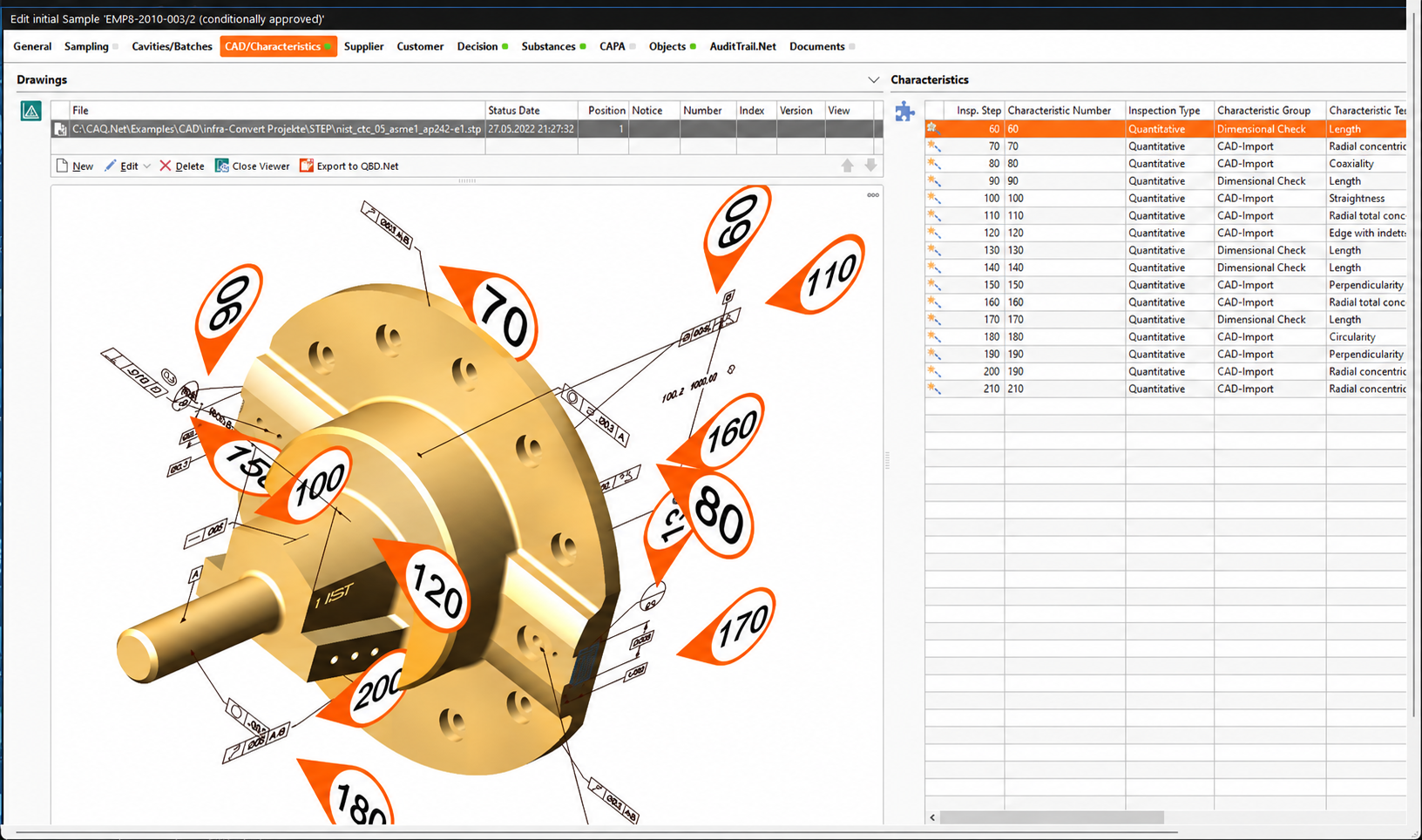
PPAP is a customer approval process that demonstrates two things together: the production part meets every applicable design requirement, and the planned manufacturing process can continue to make conforming parts at the required rate.
Evidence is created from an effective production process using the intended tooling, gauges, materials, operators and process conditions. Dimensional results alone are not enough; the package connects product definition, process risk, measurement capability, material and performance results, initial process studies and the signed Part Submission Warrant.
Drawing, dimensions, materials, performance and appearance requirements.
Flow, PFMEA, control plan, MSA, capability and production-run records.
Requested submission level, PSW, findings, approval status and controlled actions.
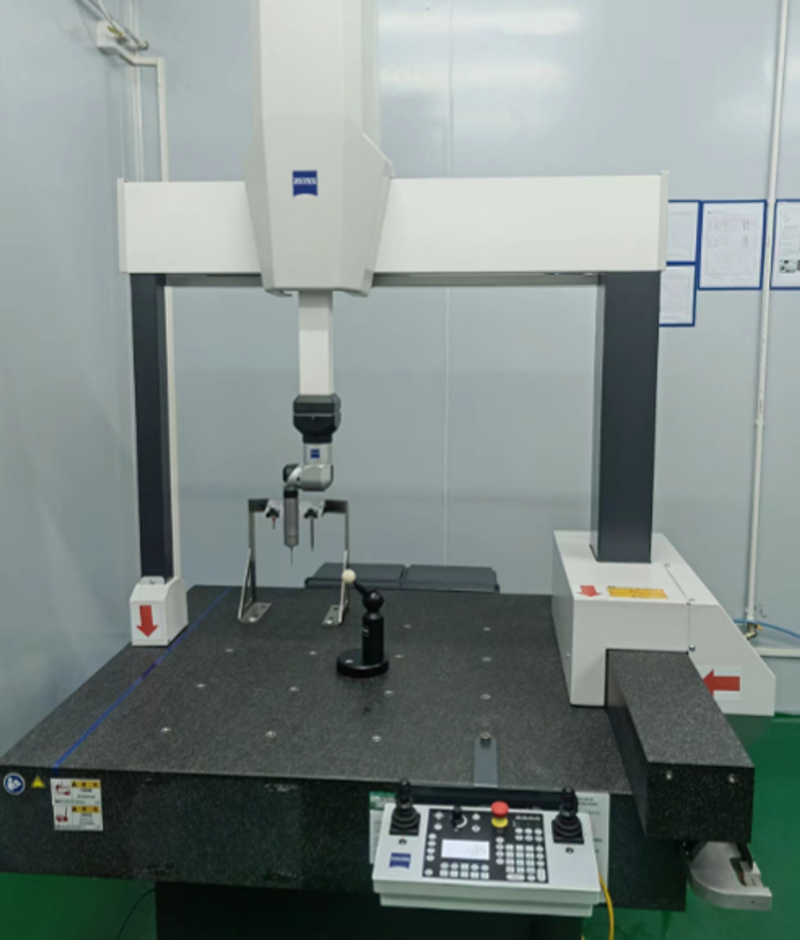
PPAP is normally required before the first production shipment of a new or changed part. These common triggers should be reviewed against the customer’s own approval manual before production changes are released.
A part, material or configuration that has not previously been supplied to the customer.
A resubmission after a previously submitted part did not meet the approved requirements.
A change to the design record, drawing, specification, material or an authorized engineering instruction.
New, modified, refurbished or relocated production tooling and equipment that may affect the approved process.
A change of manufacturing location or a sub-supplier providing material, heat treatment, plating or another critical service.
Production restarted after 12 months or more, or a change to the manufacturing, inspection or test method.
The work begins by agreeing what the customer expects and ends only when the submission status, open actions and production controls are clear.
Confirm the drawing revision, customer-specific requirements, submission reason, PPAP level, special characteristics and approval timing.
Connect the process flow, PFMEA and control plan so each manufacturing risk has a defined prevention or detection control.
Review gauges, calibration and MSA so the data used for dimensional and capability studies is reliable.
Make representative parts with production tooling, materials, operators, gauges and the intended process conditions.
Complete dimensional, material, performance and initial process studies for every applicable process, line, tool or cavity.
Issue the PSW and required evidence, answer customer findings and control any interim approval actions through full approval.
The submission level determines what is sent to the customer. All applicable records still need to be complete, controlled and available for review.
The released drawing, model, specification and every referenced document that defines the saleable part.
Approved changes already applied to the part or tooling but not yet incorporated into the design record.
Evidence of customer engineering approval when the design record or customer procedure requires it.
A risk analysis for the product design when the supplier is responsible for the design.
The complete sequence of incoming material, manufacturing, inspection, outside processing, handling and shipping.
A review of potential process failures, their effects and the actions used to reduce manufacturing risk.
The characteristics, methods, sample sizes, frequencies, reaction plans and records used to control production.
Gauge R&R and, where applicable, bias, linearity and stability studies for new or modified measurement systems.
Ballooned drawing results showing drawing revision, complete measurements and evidence from each independent process.
Traceable chemical, physical, metallurgical, functional or durability results required by the drawing or control plan.
Capability or performance studies for customer- or supplier-designated special characteristics.
Laboratory scope, accreditation or qualification evidence supporting the reported tests and measurements.
AAR documentation for parts with appearance, color, texture or finish requirements.
Representative parts supplied in the quantity and format required by the customer submission level.
An approved reference sample retained for the same period as the production part approval records.
Part-specific fixtures, gauges, templates or inspection aids, including their revision and measurement-system records.
Records demonstrating compliance with every applicable customer manual, portal, form and supplemental requirement.
The PSW that identifies the part, manufacturing site, submission reason, level, results and authorized declaration.
The reference PPAP baseline is a one-to-eight-hour production run with at least 300 consecutive parts unless an authorized customer representative approves another duration or quantity.
Use the intended production tooling, gauges, process, materials, operators and manufacturing environment.
Represent each line, cell, tool, mold, cavity or other independent manufacturing route in the dimensional and test evidence.
Use qualified laboratories and traceable reports that identify the laboratory, test date, method and actual result. A generic “conforms” statement is not sufficient.
Special characteristics are studied before submission. MSA should first show that the measurement system is suitable, and capability results must be interpreted with process stability, distribution and the customer-agreed method in mind.
Meets the initial acceptance criterion. Begin production after approval and follow the released control plan.
Currently acceptable, but improvement or customer review may be required before full-rate production.
Does not meet the initial acceptance criterion. Review the study and agree corrective action with the customer.
Used for a stable process and estimated from within-subgroup variation. A control chart helps confirm whether the process is predictable.
Uses overall variation and may be used to describe short-term performance or a process that does not yet demonstrate stable subgroup behavior.
Prepare corrective action and a revised control plan, commonly with 100% inspection, until capability reaches the agreed level or the customer grants approval.
The customer defines the level. Level 3 is the default for production parts unless the responsible customer approval function specifies otherwise.
PSW only; include an AAR for designated appearance items.
PSW, production samples and limited supporting data.
PSW, production samples and complete supporting data. This is the default unless the customer specifies otherwise.
PSW plus the records and evidence specifically defined by the customer.
PSW, samples and complete supporting data available for review at the manufacturing site.
Approved production does not make the process permanent. Changes that could affect fit, form, function, performance or durability must be reviewed before implementation, even when the customer does not immediately ask for a new PSW.
The customer communicates the submission decision. Each status changes what may be shipped and what actions remain open.
The submission meets all customer requirements and production shipments may follow the customer release schedule.
Shipment is allowed only for a defined time or quantity while an agreed corrective-action plan is completed.
The samples or supporting documentation do not meet requirements. Revised product and evidence must be approved before production shipment.
PPAP terminology is rooted in automotive supply chains. Other regulated and high-reliability industries use related evidence under their own standards, contracts and customer approval procedures.
PPAP is used directly within the customer approval process. IATF 16949:2016 controls, customer-specific requirements and the requested submission level define the package.
AS9100D change control, AS9102 first article inspection and material traceability provide the applicable framework. We align PPAP-style evidence only when the customer contract asks for it.
Medical customer requirements may refer to ISO 13485 process validation, risk management, traceability and controlled change records. The applicable approval evidence is agreed for the program.
Customer qualification plans may use control plans, MSA, capability studies, first-article data and change notification without formally calling the package PPAP.
PPAP records are retained for the active life of the part plus one calendar year as a reference baseline. Longer customer, contract or regulatory retention periods take precedence. The file should identify the part number, drawing revision, manufacturing site, submission reason, production process, evidence location and approval history.
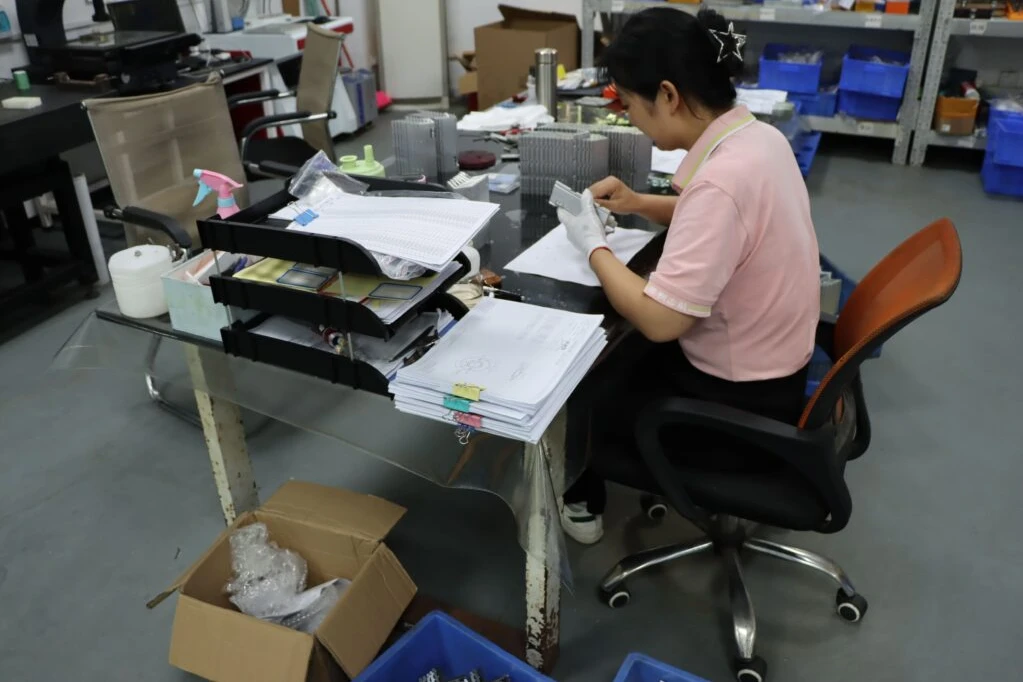
Practical answers about submission scope, production trials, capability and change control.
Level 3 is the usual default when the customer has not specified another level. The customer product-approval representative can require a different level, format or set of records.
Every applicable element must be prepared and retained, but what is submitted depends on the requested level, the product, the supplier design responsibility and customer-specific requirements.
It is a representative run using production tooling, gauges, materials, operators and process conditions. The reference baseline is typically one to eight hours and at least 300 consecutive parts unless the customer authorizes another quantity or duration.
Cpk estimates the capability of a stable process using within-subgroup variation. Ppk describes performance using overall variation. The method and acceptance criterion should be agreed with the customer and interpreted with the stability study.
The process requires review and customer coordination. A corrective-action plan and a revised control plan, commonly including 100% inspection, may be required until capability is demonstrated or the customer grants full approval.
Notification may be required for changes in material, tooling, equipment, manufacturing site, sub-supplier, process, inspection method or a restart after 12 months or more. Customer-specific rules determine whether a new PPAP submission is required.
The reference requirement is the active life of the part plus one calendar year. Contract, regulatory or customer-specific requirements may require a longer period and take precedence.