
Earlier Risk Visibility
Manufacturing, material, inspection and supply risks are reviewed while the drawing and production plan can still be changed efficiently.
Move precision machined components from an evolving design to controlled repeat production through structured DFM, prototype learning, EVT, DVT, PVT and documented manufacturing handover.
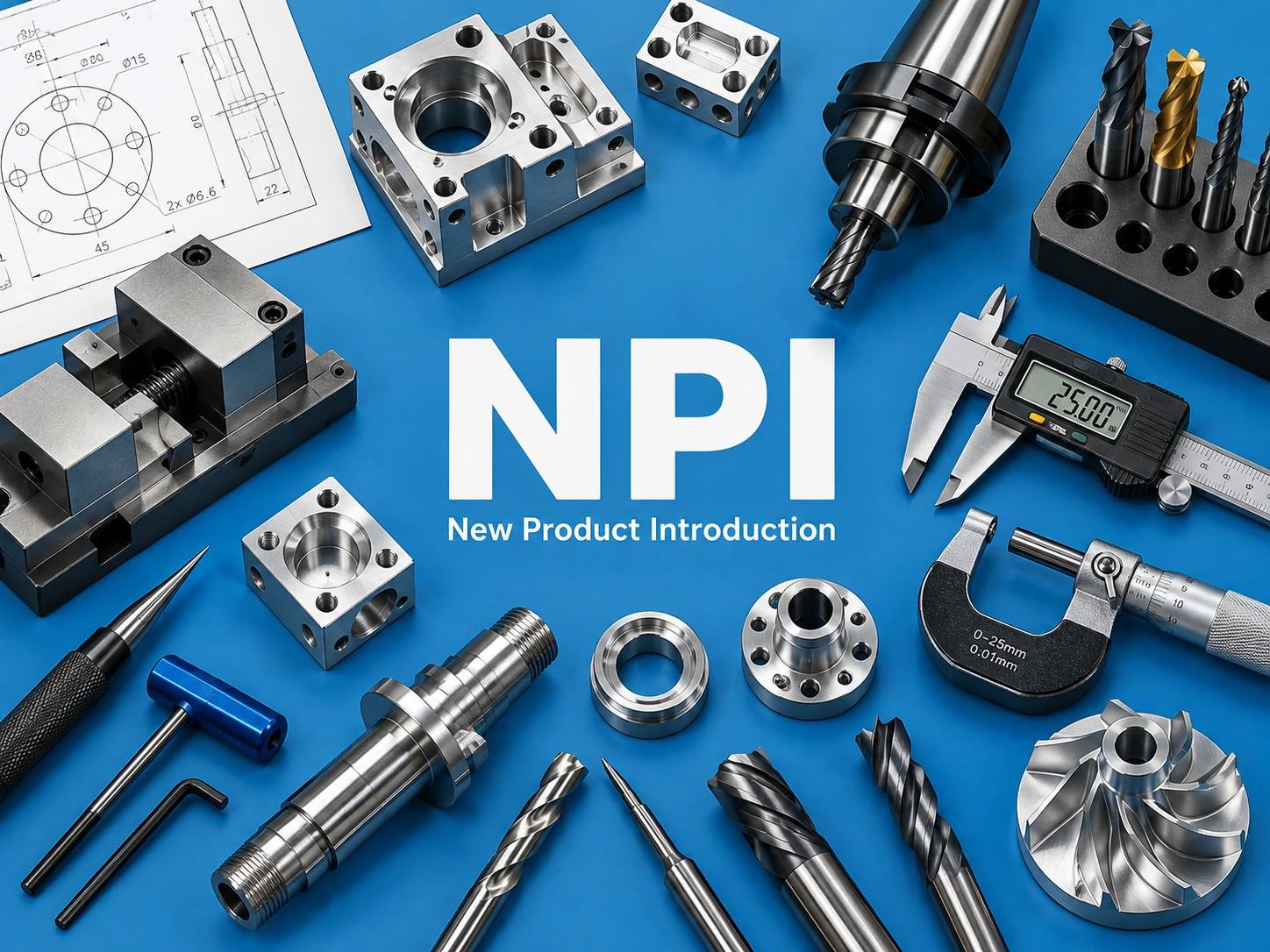
NPI is the controlled path that moves a product from concept and design through prototype learning, engineering validation, design validation, production validation and release. It connects technical decisions with the people, evidence and manufacturing controls needed for a stable launch.
For a precision machining supplier, NPI begins with controlled design inputs and ends when the approved revision, machining process, inspection plan, material and finishing sources, traceability requirements and production records are ready for repeat orders. Product requirements and final functional approval remain with the customer; our role is to make manufacturing risk visible and provide reliable component and process evidence.
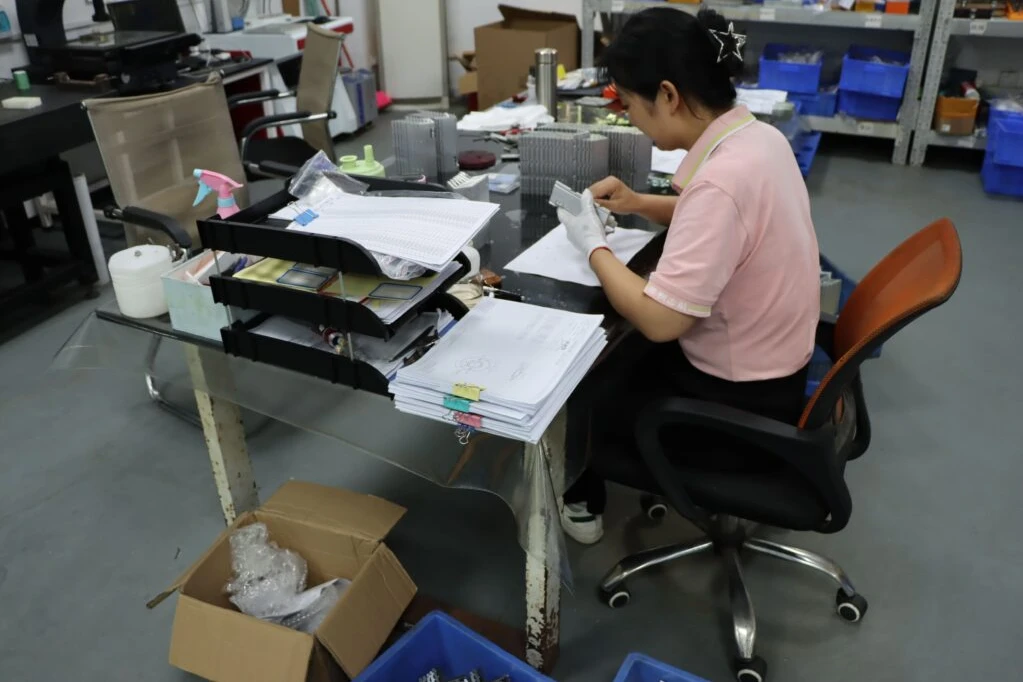
A disciplined launch process reduces late design changes, connects validation to manufacturing evidence and gives every release decision a defined owner and record.
Manufacturing, material, inspection and supply risks are reviewed while the drawing and production plan can still be changed efficiently.
Defined inputs, owners, reviews and release criteria reduce avoidable loops between quotation, prototyping, validation and production.
Process selection, tolerance strategy, workholding, inspection effort and outside processing are considered before recurring cost is locked in.
Prototype learning is converted into controlled programs, work instructions, inspection plans, traceability records and repeatable release criteria.
The seven-stage framework converts design intent into a verified manufacturing process. The exact build quantities, tests and release criteria are agreed for each program.
Confirm the released drawing or current development revision, 3D model, intended function, critical characteristics, material, forecast quantity, target dates and required records. Engineering review identifies open questions, manufacturing constraints and the first build’s learning objectives.
Apply DFM and broader DFX thinking to material choice, tolerances, datum structure, tool access, workholding, inspection access, finishing and total manufacturing cost. The proposed route is documented before prototype release.
Manufacture development parts with controlled revisions, then inspect the agreed characteristics and record machining, material, assembly or measurement issues. Findings become specific drawing, process or test actions for the next build.
Support engineering validation with representative machined components and dimensional evidence. EVT asks whether the evolving design can meet its intended engineering requirements and what must change before design validation.
Produce parts to the more mature design and agreed configuration so the customer can validate product performance, reliability, environmental and compliance requirements. Manufacturing feedback focuses on repeatability, critical features and remaining production risks.
Run a pilot build using the intended machines, tooling, workholding, material sources, inspection methods, finishing route, operators and packaging conditions. The goal is to demonstrate production readiness under representative conditions.
Transfer the approved drawing revision, programs, setup records, process route, work instructions, inspection plan, traceability requirements and open actions into controlled repeat production. Future changes follow the agreed review and approval path.
Each validation stage answers a different question. Passing one gate does not replace the evidence required by the next.
Customer gate names vary. In an IPD framework, CDCP, PDCP, EDCP, ADCP and GA provide formal decisions from concept through general availability.
Confirm the need, application, initial feasibility and reasons to continue.
Approve the technical route, resources, timing, cost framework and validation plan.
Review prototype learning, technical progress and readiness for formal verification.
Confirm required testing is complete and the product and process are ready for controlled release.
Release the approved product and manufacturing process for normal production and supply.
Each phase starts with controlled customer inputs and closes with evidence that supports the next decision.
| NPI Phase | Customer Inputs | Rocentric Manufacturing Outputs | Release Evidence |
|---|---|---|---|
| Requirements And DFM | Drawing and model revision, critical characteristics, material, quantity, schedule and validation needs. | Feasibility review, open-question list, manufacturing route, tolerance and inspection recommendations. | Confirmed drawing revision, material specification, critical dimensions and prototype inspection criteria. |
| Prototype And EVT | Development revision, prototype quantity, learning objectives and customer test plan. | Controlled prototype build, dimensional report, manufacturing observations and issue records. | Actions closed or assigned before the next design iteration. |
| DVT And Pilot Preparation | Mature design, required material and finish evidence, verification configuration and forecast demand. | Design-intent parts, inspection evidence, process refinement, sourcing and pilot-build plan. | Design configuration and PVT entry requirements agreed. |
| PVT And Production Release | Released revision, production demand, documentation, packaging and delivery requirements. | Representative pilot run, first-article verification, production controls, records and handover package. | Formal manufacturing release with controlled open actions. |
Design For X expands the review beyond basic machinability so assembly, inspection, cost and lifecycle decisions are considered before production release.
Select practical materials, tolerances, feature geometry and machining methods that protect function while reducing instability, rework and unnecessary cycle time.
Review interfaces, fits, access, orientation and part count where machined features influence assembly time or error risk.
Make critical characteristics measurable by providing clear datums, probe access, functional interfaces and acceptance criteria.
Balance material yield, machine time, tooling, finishing, inspection and logistics against the product’s actual performance needs.
Consider material efficiency, process waste, finish selection, service life and end-of-life requirements when they are relevant to the program.
Risks are reviewed throughout the program, prioritized by likelihood and impact, assigned to owners and carried forward until evidence supports closure.
Confirm the drawing and model revision, material specification, inspection requirements and engineering change approval responsibilities before each build.
Review difficult materials, thin walls, tool access, feature relationships, inspection access and unproven processes early.
Qualify material and outside-process sources, confirm lead times and identify alternatives for launch-critical items.
Connect critical characteristics to measurement methods, sampling, reaction plans and required records.
Plan prototype, validation and ramp capacity around tooling, inspection, finishing and customer approval timing.
Record decisions, revisions, deviations and remaining actions so obsolete instructions cannot reach production.
The NPI framework stays consistent while industry standards, product risks, customer procedures and required records determine the final validation package.
AS9100D change control, material traceability, risk review and AS9102 first-article planning can be built into the NPI route when required by the contract and drawing.
Material condition, vacuum-facing surfaces, cleanliness, sealing geometry and measurement access are reviewed before chamber, motion and wafer-handling parts enter pilot production.
Fits, runout, backlash-related interfaces, bearing seats and repeat-build consistency are linked to functional datums and assembly feedback.
Customer-specified medical quality records, traceability, edge conditions, cleanliness and customer validation requirements are defined before design-intent builds are released.
Clear answers about responsibilities, design maturity, validation and production release.
Provide the latest 2D drawing and 3D model, material and finish requirements, prototype and forecast quantities, target dates, critical characteristics, intended application and the inspection or validation evidence you expect.
The customer owns product requirements and final design or functional approval. Rocentric supports those gates with controlled machined parts, manufacturing feedback, dimensional evidence, material and process records, and representative pilot production.
Yes. Development work can use a clearly identified revision or preliminary model when responsibilities, learning objectives and change controls are agreed. Production release requires an approved design record.
Each build is tied to a defined drawing and model revision. Questions, deviations, decisions and corrective actions are recorded, and updated instructions are released before the next build begins.
The design configuration, manufacturing route, tooling, workholding, inspection plan, material and finishing sources, packaging requirements and required records must be released, with remaining actions formally controlled.
Yes. When the customer requires formal production approval, the NPI handover can feed a PPAP submission, AS9102 first article inspection or another customer-specific qualification package.