CNC Machining Services For Medical Devices

Medical components require more than accurate dimensions. We machine surgical instruments, implant components and diagnostic hardware with burr control, biocompatible material discipline, traceability and documentation planned around your drawing and quality requirements.

Surgical microscope with binocular eyepieces in a teal-lit medical room

CNC Machining For The Medical Device Industry

Medical device manufacturing is a discipline of documentation as much as precision. Material identity, edge condition, dimensional verification, cleaning requirements and release records all affect whether a component can move through a regulated supply chain.

We support device OEMs, contract manufacturers and development teams from prototype through production, including surgical instruments, orthopedic trial components, implantable-part programs where specified, endoscopic parts, fluid-path hardware and diagnostic equipment components.

Final regulatory responsibility remains with the device manufacturer. Send applicable drawings, material specifications, inspection plans, cleaning requirements and quality clauses with the RFQ so our manufacturing scope can be confirmed in writing.

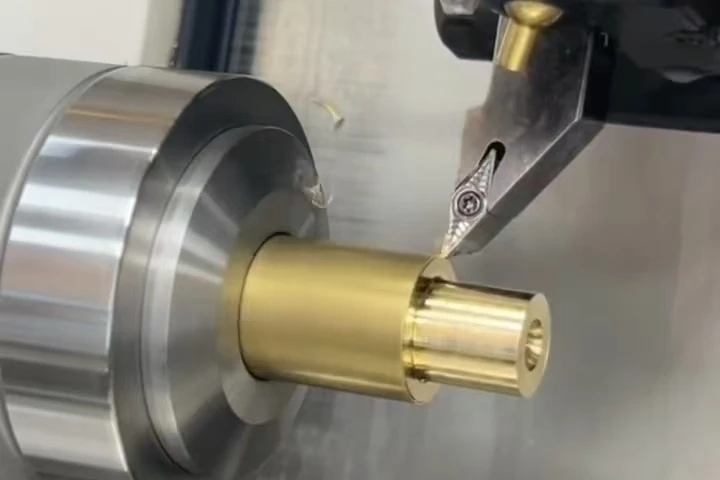
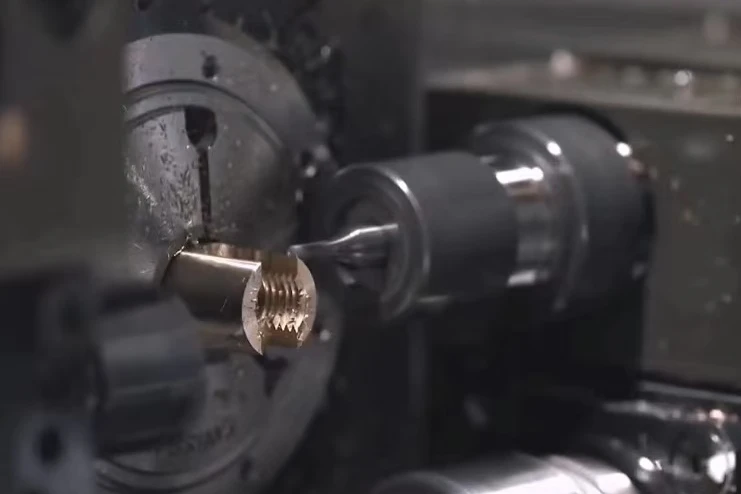
Swiss machining tooling working on a small threaded metal component held inside the machine

Types Of Medical Parts We Manufacture

Medical components are manufactured to drawing-controlled requirements, with edge condition, material traceability, surface finish and documentation reviewed before release.

The Challenges Of Medical Device Machining

Medical parts fail scrutiny in ways that general machining may never encounter: burrs, undocumented material, unverified edges and incomplete records can all stop release.

Each program is reviewed around the drawing, material specification, intended documentation package and supplied quality clauses.

Burr-Free Is A Safety Requirement

Deburring is planned into the machining route with toolpath strategy, edge breaks and magnified verification where required.

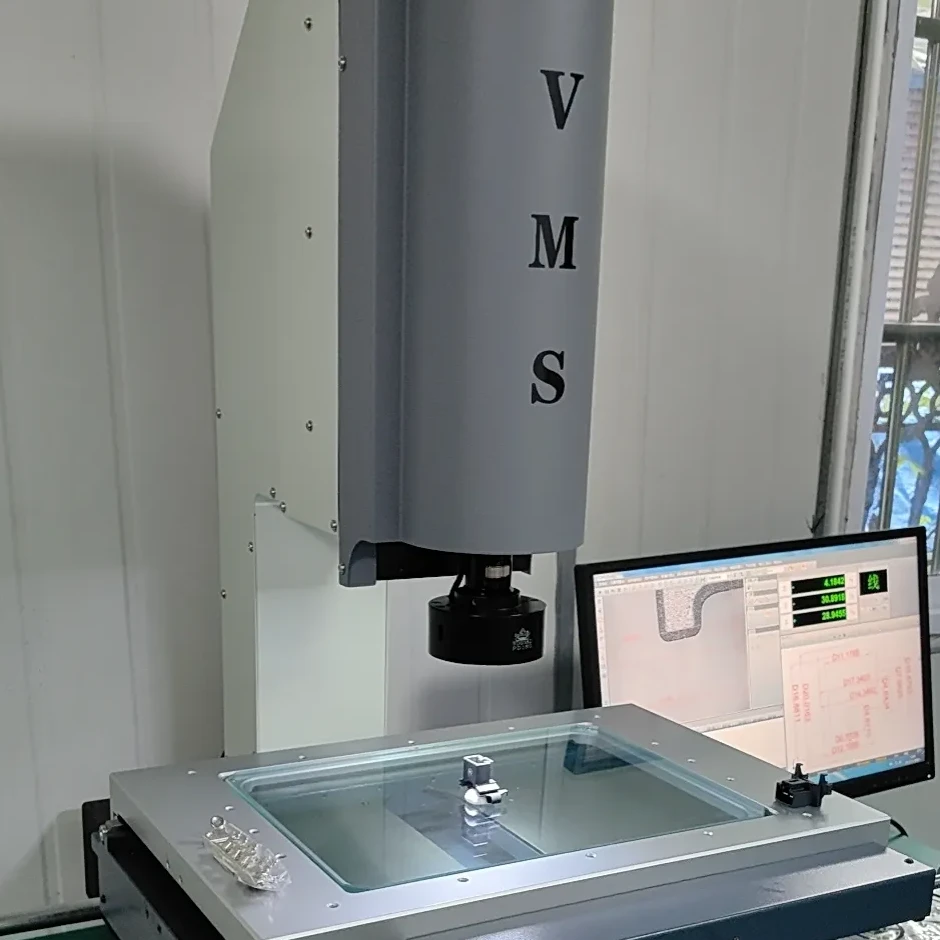
Edge And Burr Verification
Critical edges can be inspected under magnification, with acceptance criteria defined by the drawing or supplied specification.
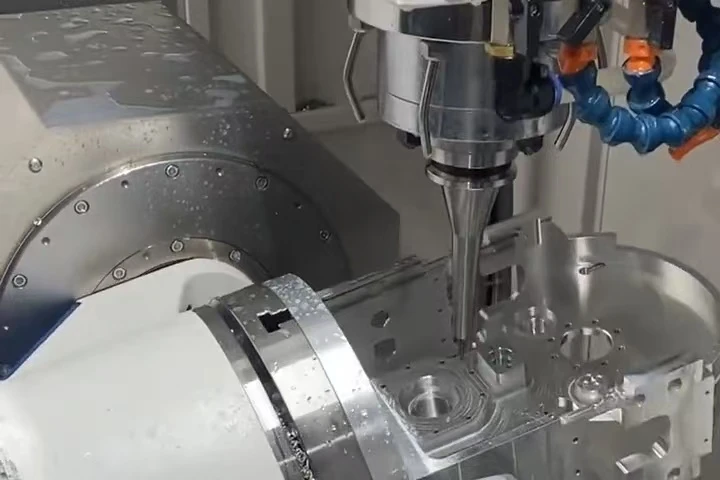
Manufacturing Processes For Medical Components

Our medical component manufacturing processes include Swiss machining, CNC milling, CNC turning and mill-turn machining. The chosen route follows the drawing, material, feature geometry and inspection requirements.

Swiss Machining

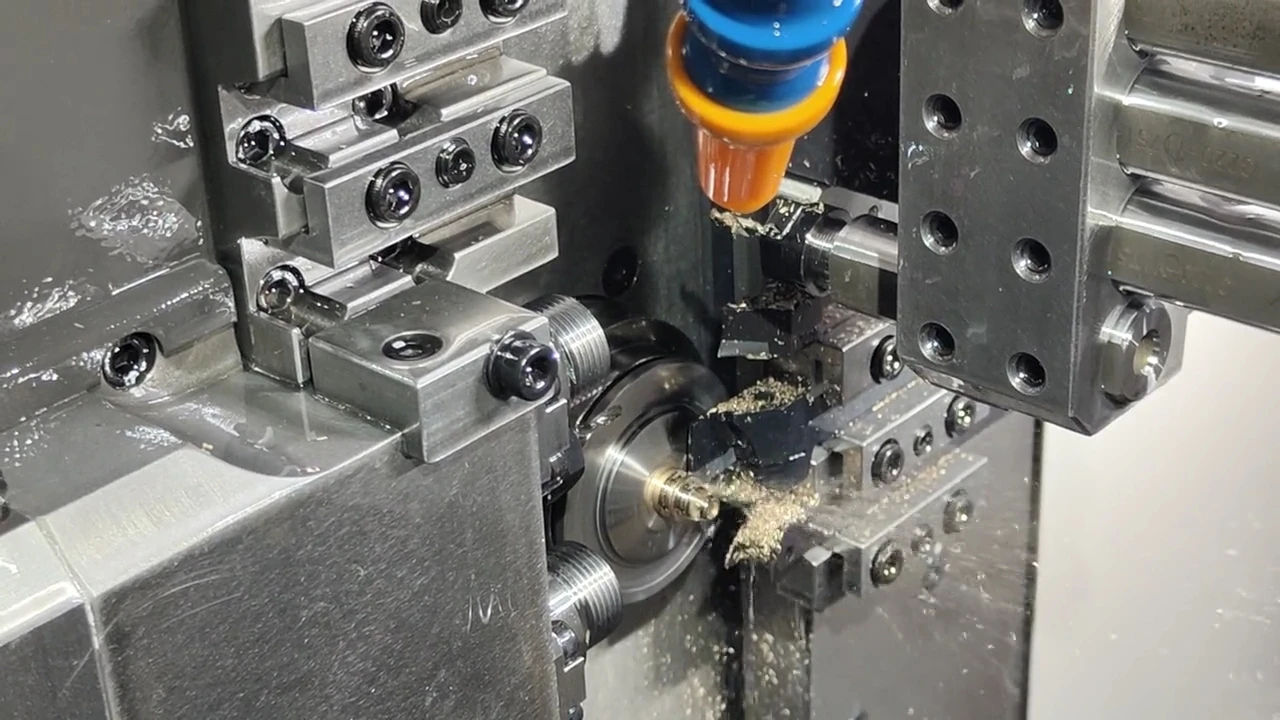
Machine small, slender components such as screws, pins, instrument shafts and dental hardware with guide-bushing support, live tooling and back-working operations. Tool access and burr inspection are planned for fine features.

  • Bone Screws
  • Instrument Shafts
  • Dental Components
  • Pins
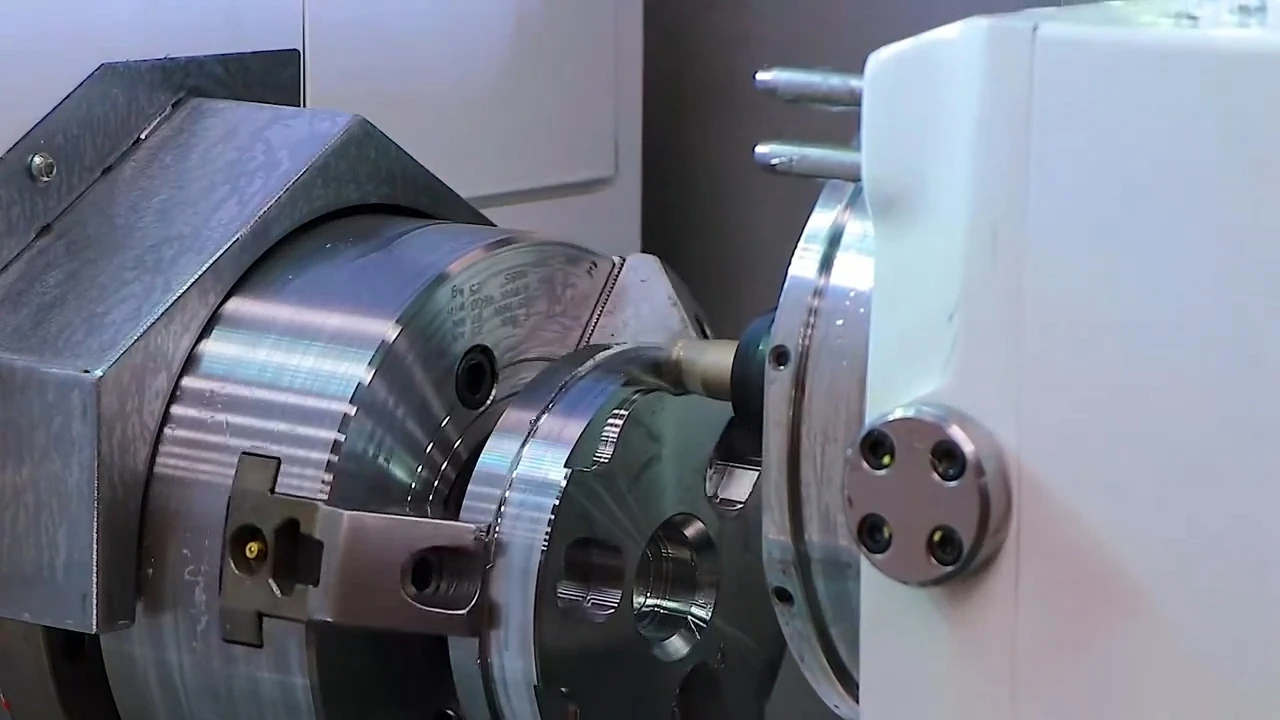
Swiss machining tooling cutting a small metal bar inside the machine

How Our Medical CNC Machining Service Process Works

The process begins with drawing, material and quality-clause review, then moves through process planning, lot-controlled material procurement, first article inspection, production, finishing and documented release.

Engineering Review

  1. 01

    Drawing Submission

    Provide the STEP model and dimensioned drawing with the current revision, material grade, quantity, surface finish, required delivery date and inspection requirements. Where required, an NDA is signed before drawings and models are exchanged.

  2. 02

    DFM Review

    Review geometry, dimensional and geometric tolerances, stock condition, tool access, workholding and measurement access. Identify features that affect machining feasibility, dimensional stability or inspection, and resolve proposed drawing changes with your engineering team.

  3. 03

    Technical Requirements Review

    Confirm the drawing revision, material specification, datum scheme, critical dimensions, surface finish and inspection requirements. Resolve drawing queries and document approved changes. Prepare the quotation from the confirmed part requirements, quantity and delivery schedule.

Production Preparation

  1. 04

    Medical Device CNC Machining Process Planning

    Define the operation sequence, machining datums, fixtures, cutting tools and cutting parameters. Prepare the NC program and inspection plan, review toolpaths through machine simulation, and establish the setup instructions for the first-article machining trial.

  2. 05

    Material Procurement

    Specified material grades and stock forms are purchased exclusively from approved or qualified suppliers, matched to the requirements of your drawing and purchase order.

  3. 06

    Incoming Material Inspection

    Check stock identification, dimensions, surface condition and material certificates against the specified grade, condition and purchase order. Record the heat or batch number and link the accepted material to the production work order.

Controlled Machining

  1. 07

    First Article Inspection

    Machine the first article using the planned NC program, fixtures and tools. Inspect drawing characteristics with the specified measurement methods, record the results and correct setup or program deviations before batch production begins.

  2. 08

    Production Machining

    Run the approved Medical Device CNC machining program with the documented fixture setup, tooling and cutting parameters. Maintain the specified datums and machining sequence, and record approved changes to programs, tool offsets or setup instructions.

  3. 09

    In-Process Inspection

    Measure critical dimensions and geometric characteristics at the intervals defined in the inspection plan. Monitor tool wear and dimensional trends, adjust offsets where appropriate, and recheck affected features after adjustment.

Verified Delivery

  1. 10

    Machined Part Inspection

    Check the completed machining operations against the drawing and review the in-process inspection results. Record dimensional conformity and segregate nonconforming parts before the batch proceeds to finishing or other subsequent operations.

  2. 11

    Post-Machining Operations

    Complete the specified deburring, grinding, polishing, surface treatment or heat treatment. Check treatment records and reinspect features affected by material removal, coating thickness or heat-treatment distortion.

  3. 12

    Final Inspection And Shipment

    Inspect finished parts against the drawing and final inspection plan, including dimensions, surface condition and finish requirements. Compile the required material certificates and inspection reports, verify quantity and identification, then pack parts to prevent damage during shipment.

Materials For Medical Device Components

Material grade, source, certificate requirements and substitution rules are confirmed before procurement. For implant programs, customer-approved specifications and acceptance criteria must be supplied with the RFQ.

Showing 7 Materials: Metals.

Titanium Ti-6Al-4V ELI

  • Grade 23

A common implant alloy valued for strength, corrosion resistance and biocompatibility, with machining heat and tooling controlled carefully.

Typical Applications

Orthopedic and dental implant components where specified

Commercially Pure Titanium

  • Grade 2
  • Grade 4

Used where corrosion resistance and biocompatibility are prioritized and lower strength is acceptable.

Typical Applications

Implantable and instrument components specified by the drawing

Stainless Steel 316LVM

Vacuum-melted stainless with controlled cleanliness for surgical and implant applications where specified.

Typical Applications

Surgical instruments and selected implant components

Stainless Steel 17-4 PH

A precipitation-hardening stainless for stronger surgical instrument jaws, drivers and articulated components.

Typical Applications

Instrument jaws, drivers, pins and high-strength hardware

Stainless Steel 440C

Hardenable stainless for cutting edges and wear-resistant instrument features.

Typical Applications

Scissor blades, osteotomes and cutting instrument details

Cobalt Chrome (CoCrMo)

A wear-resistant alloy for demanding implant and bearing-surface applications, requiring rigid setups and disciplined tooling.

Typical Applications

Joint components and high-wear medical hardware

Nitinol

A shape-memory alloy for specialized device components, quoted with process and lead-time review because of machining difficulty.

Typical Applications

Specialized device components and wire-adjacent hardware

Surface Finishes For Medical Components

Medical finishes are quoted to supplied specifications. Edge condition, passivation, cleaning, marking and documentation requirements should be defined before production release.

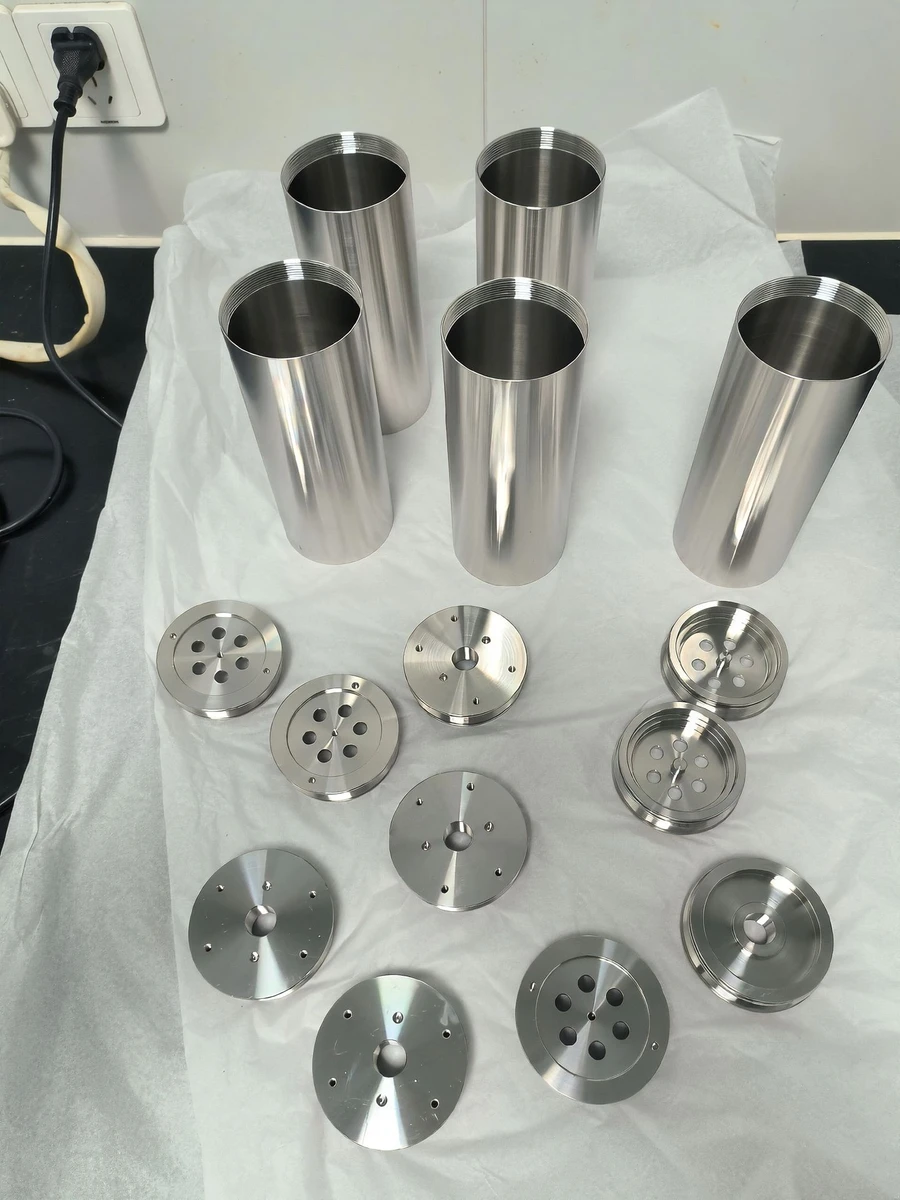
Stainless cylindrical housings and circular end plates arranged on a white sheet

Passivation

ASTM A967 or AMS 2700 when specified

Chemical treatment removes free iron from stainless surfaces and supports corrosion resistance after machining.

Typical Applications

Stainless surgical instruments and medical hardware

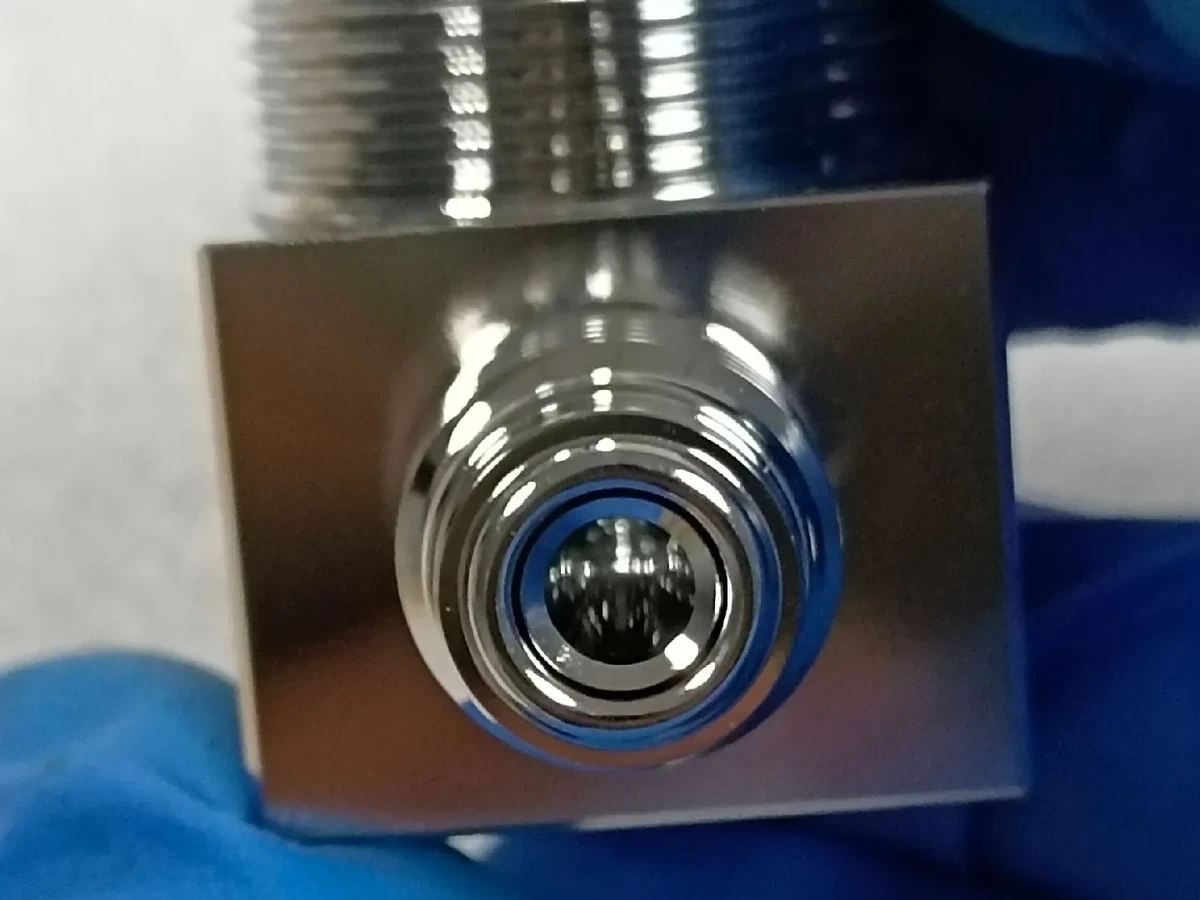
Electropolished metal fitting with a reflective square body, central bore and threaded boss

Electropolishing

Customer-specified surface acceptance

Electrochemical surface refinement can smooth stainless surfaces and reduce micro-burrs when coordinated with a qualified source.

Typical Applications

Stainless instruments and fluid-path components

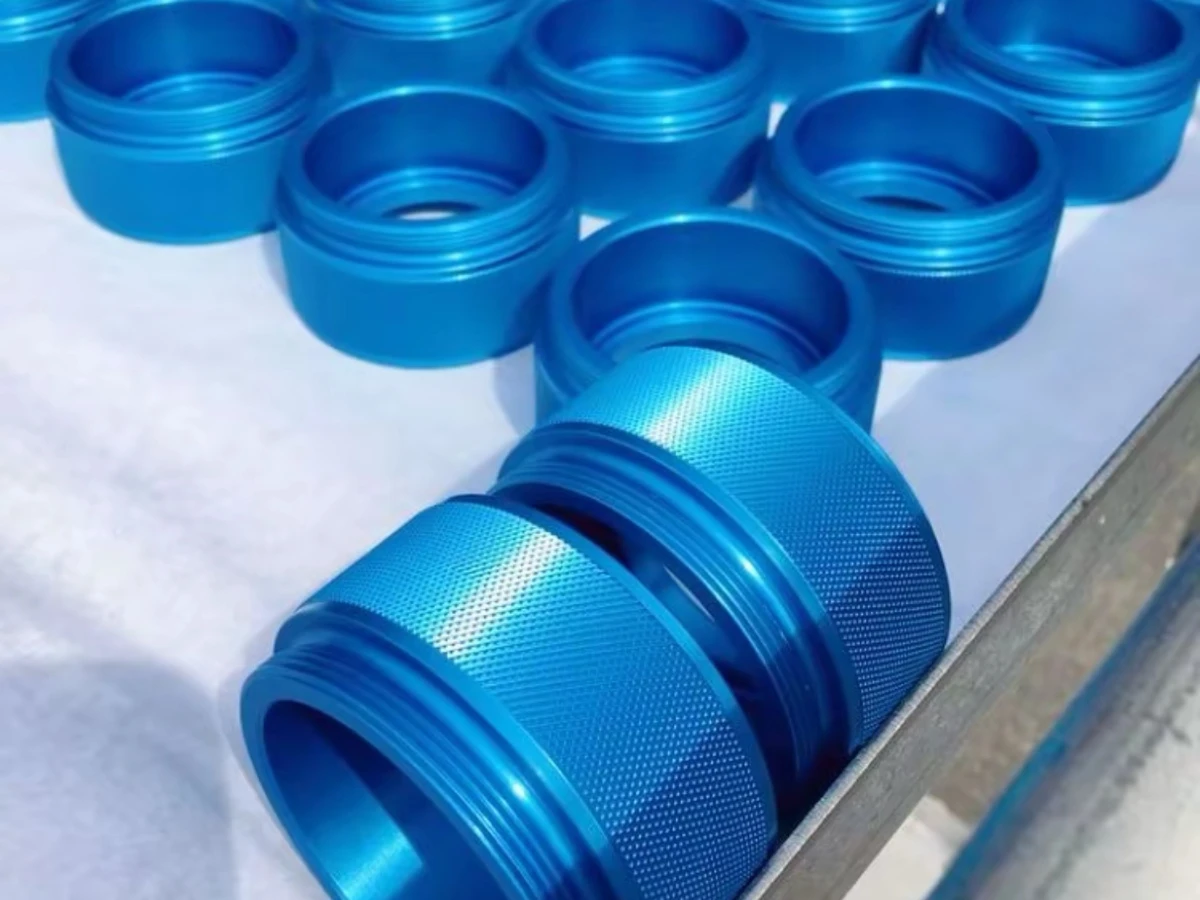
Blue anodized titanium components with threaded bores and knurled outer surfaces

Titanium Anodizing

Treatment and color per titanium specification

The titanium anodizing route is selected to the supplied specification and functional requirement. Color identification and any wear requirement are confirmed for the specified titanium treatment.

Typical Applications

Implants, trials and instrument identification

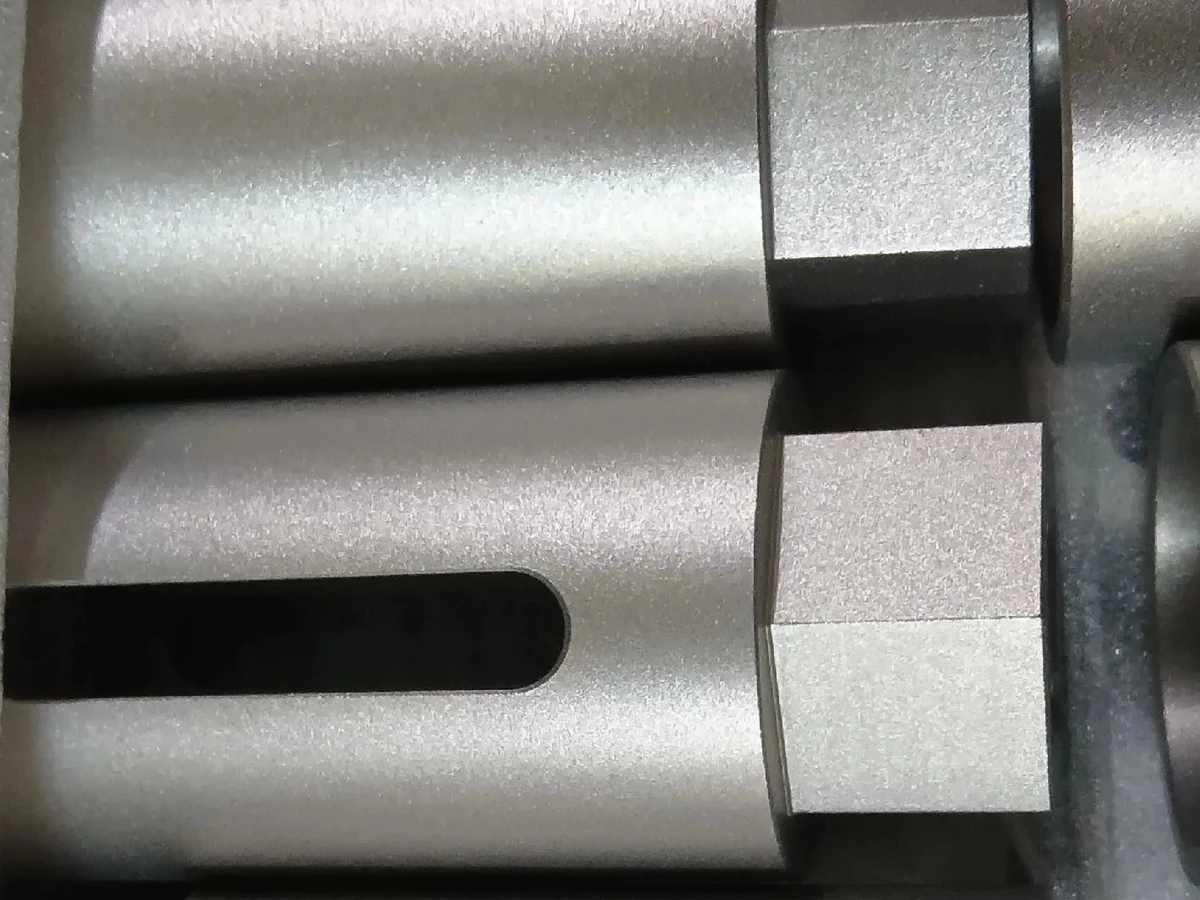
Matte-textured cylindrical metal components with flats and a longitudinal slot

Bead Blasting

Dedicated media when required

A controlled matte finish can be applied where the drawing specifies texture or preparation requirements.

Typical Applications

Instrument bodies and selected implant surfaces

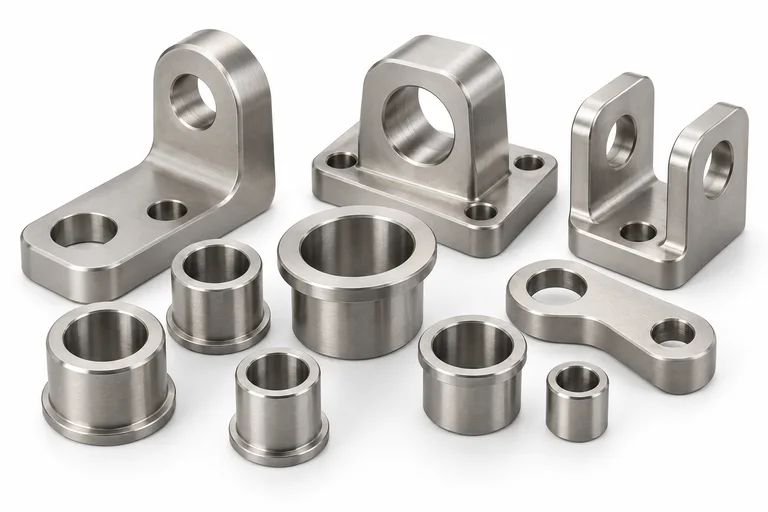
Tumbled stainless bushings and brackets with softened edges and satin surfaces

Tumbling And Vibratory Finishing

Controlled media and cycle time

Mechanical finishing can refine edges and surfaces when allowed by the drawing and acceptance criteria.

Typical Applications

Instrument components and non-critical edge radiusing

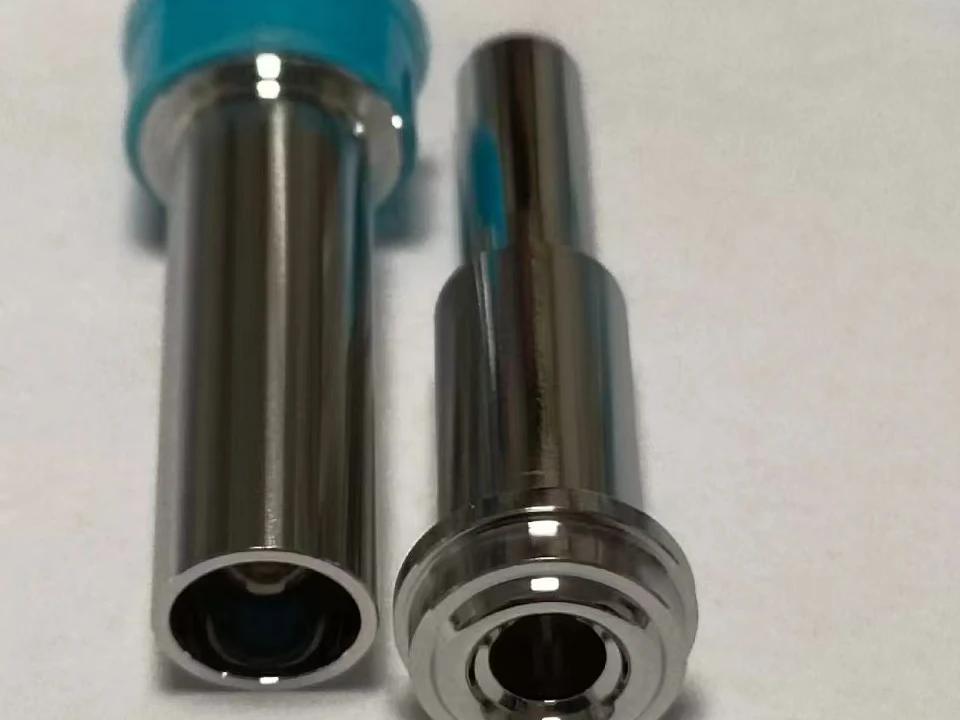
Two polished metal components with reflective cylindrical surfaces and hollow bores

Polishing

Mechanical finish per drawing

Polishing supports smoother bearing, working or contact surfaces where roughness is functional.

Typical Applications

Instrument working ends and bearing surfaces

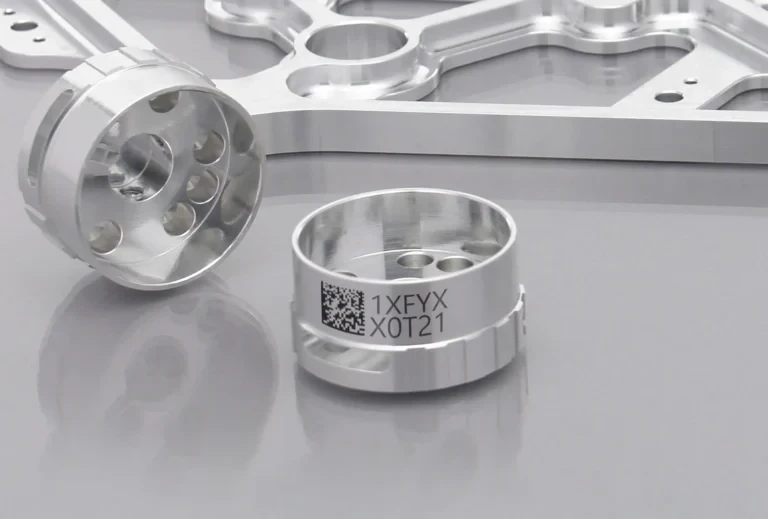
Machined metal ring with a two-dimensional code and alphanumeric laser marks on its outer surface

Laser Marking

Permanent part and lot identification

Part numbers, lot codes and UDI-related markings can be applied without inks or labels when specified.

Typical Applications

Traceable medical components and instruments

Quality Assurance For Medical Programs

Medical QA is built around proof: material identity, dimensional conformity, edge condition, surface treatment and release records must match the agreed requirements.

Our documentation practices can support medical quality systems, while final validation and regulatory release remain controlled by the device manufacturer.

Why Choose Us For Your Medical Device Program?

We connect medical material machining, burr-aware process planning, traceability, finishing coordination and documentation support from development quantities through production.

Medical-Grade Material Experience

Titanium ELI, 316LVM, cobalt chrome and medical polymers are reviewed with tooling, heat and handling requirements in mind.

Burr Control Built Into The Route

Edge quality is planned through machining strategy and verified where required instead of treated as a late correction.

Prototype-To-Production Continuity

Development and production builds can remain on the same controlled manufacturing route as the design matures.

Documentation That Supports Audits

Traceability, FAI reports and finish records are organized to fit your device history and supplier-quality requirements.

Engineering-Led DFM

Tolerance, material, edge and inspection risks are reviewed before production release.

Engineering Response

Complete RFQs receive an initial engineering response within one working day. Material, inspection and delivery questions are clarified before the quotation is issued.

Frequently Asked Questions

Practical answers about medical-grade materials, traceability, burr control, documentation and development quantities.

Do You Machine Implantable-Grade Materials?

Yes, subject to drawing and material specification review. Ti-6Al-4V ELI, commercially pure titanium, 316LVM, cobalt chrome and implantable PEEK can be quoted with traceability requirements defined at RFQ.

Are You ISO 13485 Certified?

Our recorded systems are AS9100D, IATF 16949:2016, ISO 10012:2003. ISO 13485 certification is not listed in the confirmed factory records. Customer-specific medical documentation and process controls are reviewed during quotation.

Can You Hold The Tolerances On Implant Drawings?

Implant and instrument tolerances are reviewed drawing by drawing. Grinding or specialized inspection can be included where the geometry and specification require it.

How Do You Help Ensure Parts Are Burr-Free?

Deburring access, toolpath strategy and edge breaks are planned before machining, then critical features can be checked under magnification where required.

Do You Support Prototype Development Quantities?

Yes. Development runs in production-intent materials can be quoted and then carried forward into pilot or recurring production.

What Documentation Comes With Medical Orders?

Material certificates, FAI reports, dimensional inspection records, finish certificates, cleaning records and certificates of conformance can be provided when specified.

Can We Put An NDA In Place Before Sending Drawings?

Yes. An NDA can be completed before drawing exchange.